What Dubai Heat and Humidity Do to Stored Belongings
What Dubai heat & humidity do to stored belongings wood warps, leather cracks & electronics fail without climate-controlled storage.
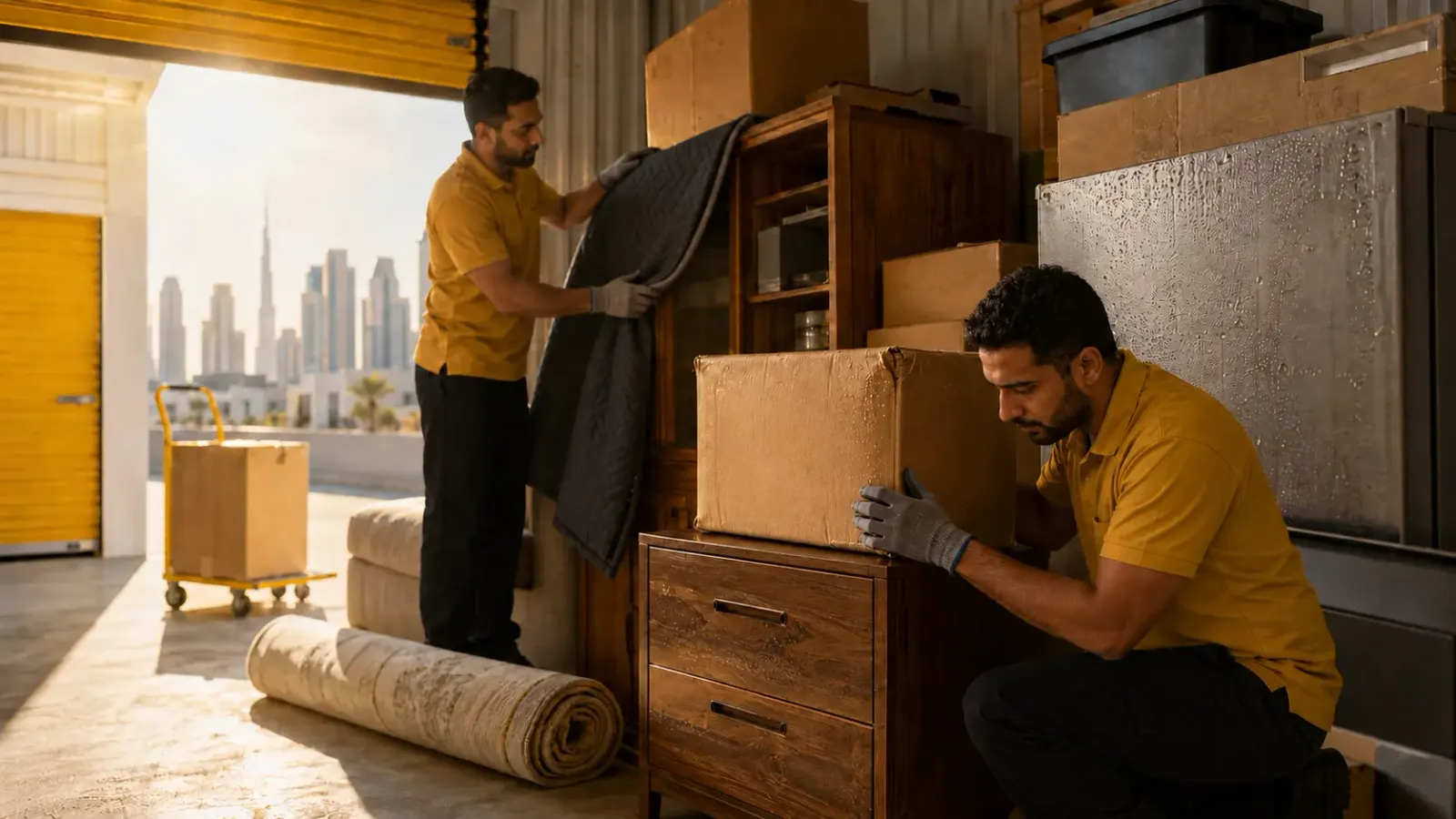
Dubai’s heat is easy to underestimate when your belongings are sitting inside a closed storage unit rather than outside in the sun. A sofa isn’t being baked on a pavement, and a wooden table isn’t sitting in direct sunlight, but that doesn’t mean the environment inside a storage space has no effect on the materials.
Over several months, high temperatures, humidity and poor ventilation can affect certain belongings more than others. Wood can expand or contract, leather can dry or develop surface problems, electronics can be vulnerable to environmental conditions, and paper, photographs and textiles can suffer when moisture is present.
That doesn’t mean every item in Dubai automatically needs climate-controlled storage. The smarter approach is to look at what you’re storing, how long you’re storing it and how sensitive those materials are to heat and humidity.
What Happens Inside a Storage Unit During Dubai Summer?
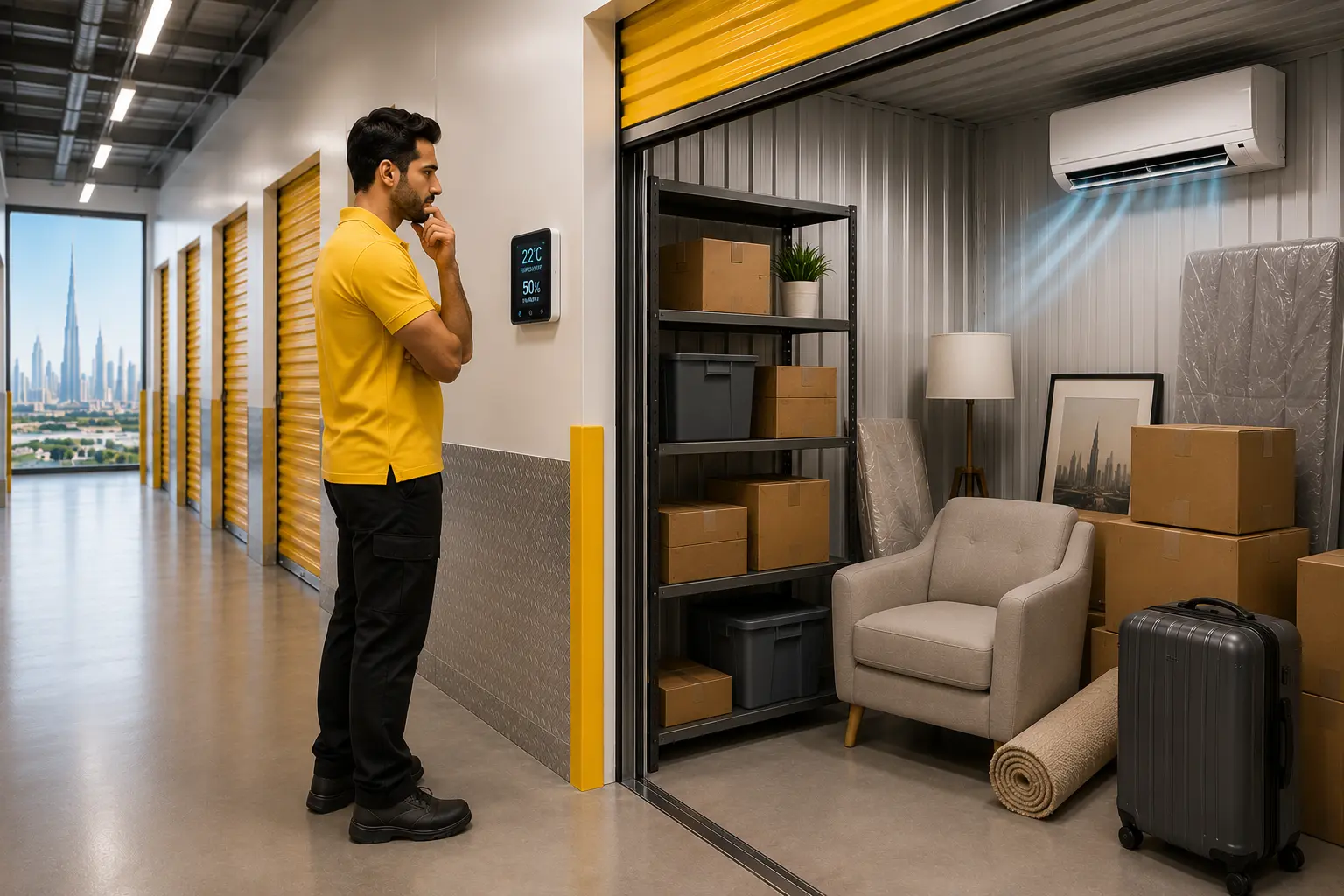
Dubai’s summer conditions make temperature and humidity important considerations for long-term storage. The actual conditions inside a storage unit depend on the building, insulation, ventilation, location and whether the unit is climate controlled. A standard storage unit is not necessarily exposed to the same conditions as the outdoor environment, but it also shouldn’t be assumed to provide controlled temperature and humidity simply because it is indoors.
For belongings that are highly sensitive to environmental changes, ask the storage provider what conditions are actually maintained rather than relying on phrases such as “safe,” “indoor” or “protected.” This distinction matters because protection from theft and protection from environmental damage are two different things. A secure unit can keep people away from your belongings while still providing conditions that aren’t ideal for sensitive materials.
Which Materials Are Most Vulnerable to Dubai Heat and Humidity?
Not everything reacts to heat and humidity in the same way. Metal tools, plastic containers and many ordinary household items can tolerate normal storage conditions relatively well when they are clean and dry. Other materials need more attention, particularly when they are stored for months or years.
The main categories to consider are:
- Wood and veneer
- Leather and upholstered furniture
- Electronics
- Appliances
- Paper and documents
- Photographs
- Artwork and paintings
- Clothing and textiles
- Books
- Musical instruments
The value of the item matters too. A basic wooden shelf and an expensive antique cabinet may both contain wood, but the consequences of damage are very different.
How Can Heat and Humidity Affect Wood Furniture?
Wood responds to changes in its surrounding environment. It can absorb and release moisture, which means prolonged exposure to unsuitable conditions may contribute to movement, warping, cracking or changes in the finish. Veneered furniture can be particularly frustrating because the visible surface may react differently from the material underneath.
Before storing wooden furniture, clean it properly and make sure it is completely dry. Where appropriate, dismantle removable legs or components to make transportation easier. Cover the furniture to protect it from dust, but avoid wrapping damp furniture and trapping moisture underneath the covering. Don’t push wooden furniture tightly against every wall or stack heavy items on delicate surfaces just to save a few square feet. Give the pieces enough room to remain stable and allow practical access. If the furniture is expensive, antique or difficult to replace, climate-controlled storage is worth considering rather than assuming a standard unit will provide enough protection.
What Happens to Leather and Upholstery?
Leather sofas, chairs and other upholstered furniture can be more sensitive to storage conditions than ordinary plastic or metal items. Leather can change in appearance and feel when exposed to unsuitable environmental conditions for long periods. Upholstery can also absorb moisture and develop unpleasant smells if it isn’t completely dry before storage. Before storing a leather sofa or chair:
- Clean it according to the manufacturer’s recommendations.
- Make sure it is completely dry.
- Remove loose cushions where appropriate.
- Avoid placing heavy objects on top of it.
- Use a breathable protective covering suitable for furniture.
- Keep it away from direct contact with damp surfaces.
Long-term furniture storage deserves particular attention because the item may remain untouched for six months, a year or longer. For customers storing valuable sofas, leather furniture or upholstered pieces, environmental control can be a sensible part of the storage decision. You can also compare your furniture requirements with furniture storage in Dubai before choosing the unit size and storage conditions.
Can Heat and Humidity Damage Electronics?
Electronics deserve extra care because they contain sensitive components that aren’t designed to sit in uncontrolled conditions indefinitely. Televisions, monitors, computers, audio equipment, gaming systems and other electronics should be cleaned, disconnected and packed properly before storage.
If possible, keep original packaging or use suitable protective packaging. Don’t place electronics directly on a potentially damp floor. Keep them elevated where appropriate and avoid putting heavy objects on top of screens or delicate equipment. Before storing expensive electronics, check the manufacturer’s storage recommendations. Some products have specific requirements relating to temperature, humidity, batteries and long-term inactivity. Climate-controlled storage can be particularly worth considering when the equipment is expensive, difficult to replace or expected to remain stored for a long period.
What About Refrigerators and Other Appliances?
Household appliances can usually be stored when they are prepared correctly, but they have their own requirements. Refrigerators and freezers should be emptied, cleaned and dried before storage. Washing machines and dishwashers should be drained properly. Leaving water trapped inside an appliance creates a completely different problem from simply dealing with Dubai’s ambient humidity.
Appliances should also be disconnected unless the storage provider specifically offers an appropriate powered arrangement. For long-term appliance storage, keep cables, shelves, hoses and accessories labelled and together. This makes the eventual return to service much easier. The Dubai appliance storage guide provides more detail on preparing refrigerators, washing machines and other white goods before storage.
Can Humidity Damage Documents and Paper?
Paper is particularly vulnerable to moisture. Documents, books, invoices, photographs and old records can become difficult to restore if they are exposed to excessive moisture for an extended period. Paper can absorb moisture from the surrounding environment, while damp conditions can also encourage mould growth. For business archives, the consequences can be serious because some records cannot simply be replaced.
Before storing documents:
- Use strong archive boxes.
- Keep paperwork off the floor.
- Avoid storing wet or damp documents.
- Label every box clearly.
- Create a digital inventory.
- Separate frequently accessed records from long-term archives.
- Consider controlled environmental conditions for valuable or irreplaceable records.
Dubai Municipality’s storage guidance for consumer products also demonstrates why temperature and relative humidity need to be monitored for products with specific environmental requirements. Its technical guidance includes temperature-control and humidity requirements for relevant stored products. The exact requirements for your documents will depend on the type of records and their specific storage needs, so don’t treat one temperature or humidity figure as a universal rule for every material.
How Does Humidity Affect Paintings and Artwork?
Paintings, photographs and other artwork deserve more care than ordinary household decorations. Canvas, paper, wood frames, adhesives, paints and other materials can respond differently to changes in temperature and humidity. A piece of artwork may look perfectly fine when it enters storage but show problems later if it has been kept under unsuitable conditions.
If you’re storing valuable artwork, avoid:
- Direct sunlight
- Damp surfaces
- Unprotected floor contact
- Tight plastic wrapping around artwork
- Heavy objects placed against the frame
- Rapid environmental changes where possible
Use appropriate protective packaging and keep valuable artwork in conditions recommended for the particular medium. For expensive or irreplaceable pieces, professional advice from a conservator or specialist may be more appropriate than relying on general household storage advice.
Can Clothing and Textiles Develop Mould?
Clothing, carpets, curtains, bedding and other textiles can absorb moisture. If textiles are put into storage while damp, dirty or poorly packed, they can develop odours and other problems. Always wash or clean textiles where appropriate and make sure they are completely dry before packing.
Use clean storage containers or suitable protective packaging. Avoid packing clothing so tightly that there is no practical way to inspect it later. For long-term storage, don’t assume that because clothes are inside sealed boxes they are automatically protected. If moisture was trapped before sealing, the container can preserve the problem rather than solve it.
Which Belongings Are Usually Fine in Standard Storage?
Not every item requires climate-controlled storage. Many ordinary household and business belongings can be stored successfully in standard conditions when they are clean, dry and packed appropriately.
These may include:
- Plastic storage containers
- Metal shelving
- Garden tools
- Bicycles
- Suitcases
- Empty luggage
- Durable household items
- Outdoor equipment
- Some packaged household goods
- Certain non-sensitive furniture
But “usually fine” doesn’t mean “guaranteed safe in every environment.” A metal bicycle, for example, may be less sensitive than a leather sofa, but moisture can still contribute to corrosion if the item is dirty, wet or inadequately protected. The right question isn’t simply, “Does this item need climate control?” Ask instead: “What could happen to this particular material if it remains in these conditions for the length of time I plan to store it?”
When Should You Choose Climate-Controlled Storage?
Climate-controlled storage is most useful when the belongings themselves justify the additional protection.
Consider it more seriously when you are storing:
- Expensive wooden furniture
- Leather furniture
- Artwork
- Photographs
- Important documents
- Electronics
- Musical instruments
- Collectibles
- Sensitive business equipment
- Valuable items that are difficult to replace
Rental duration matters too. A few weeks of storage is different from eighteen months. The longer belongings remain untouched, the more important it becomes to consider the environment in which they are stored. The value of the items also matters. Paying a little more for suitable storage can make sense when the alternative is risking an expensive sofa, valuable artwork or irreplaceable documents.
Is Climate Control Necessary for Every Storage Unit?
No. This is where storage decisions can become unnecessarily expensive. If you’re storing durable plastic containers, garden tools, empty suitcases or other relatively resilient belongings for a short period, a standard unit may be perfectly reasonable. Climate control becomes easier to justify when three things come together: Sensitive material + long storage period + high replacement value
For example, storing inexpensive plastic storage bins for two months is very different from storing a valuable leather sofa and original family photographs for eighteen months. Don’t pay for environmental control simply because the phrase sounds reassuring. Match the storage conditions to the belongings.
How Can You Reduce Heat and Humidity Risks?
Good preparation can make a significant difference even before you choose a storage unit. Start by cleaning everything properly. Dirt, food residue and moisture can create problems during long-term storage.
Then:
- Dry all belongings completely.
- Use suitable protective covers.
- Keep items elevated where appropriate.
- Don’t overpack boxes.
- Avoid storing wet clothing or furniture.
- Don’t block ventilation or access areas.
- Keep sensitive items away from potential moisture sources.
- Label fragile and valuable belongings.
- Photograph expensive items before storage.
- Check the provider’s environmental specifications.
For furniture, dismantling suitable pieces can also make storage more efficient. Uniform boxes are easier to stack than irregular bags and loose items. Most importantly, don’t confuse tight packing with good protection. A unit packed so tightly that you can’t inspect anything may save space but make it much harder to spot a problem early.
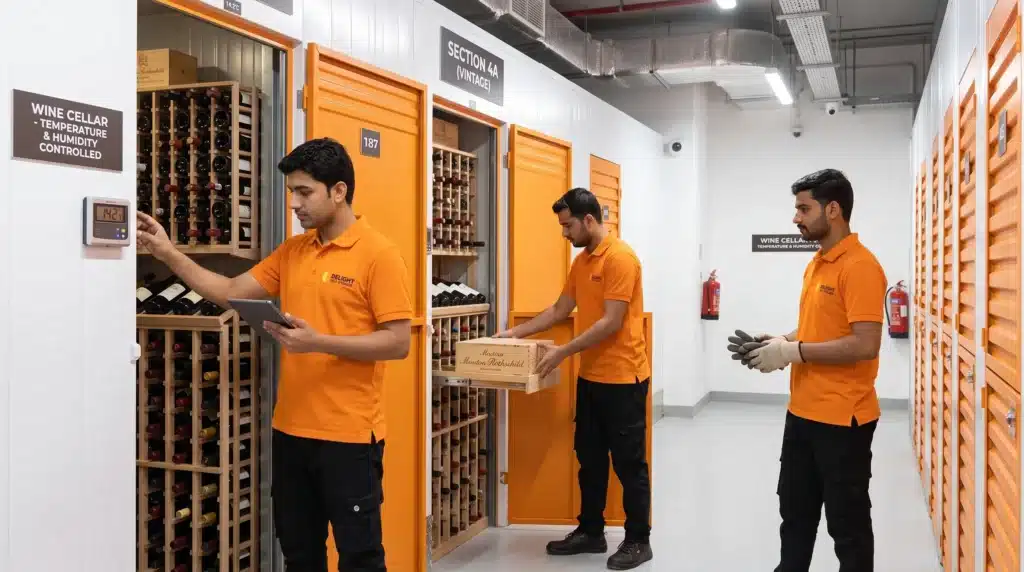
How Do You Know Whether a Storage Facility Is Actually Climate Controlled?
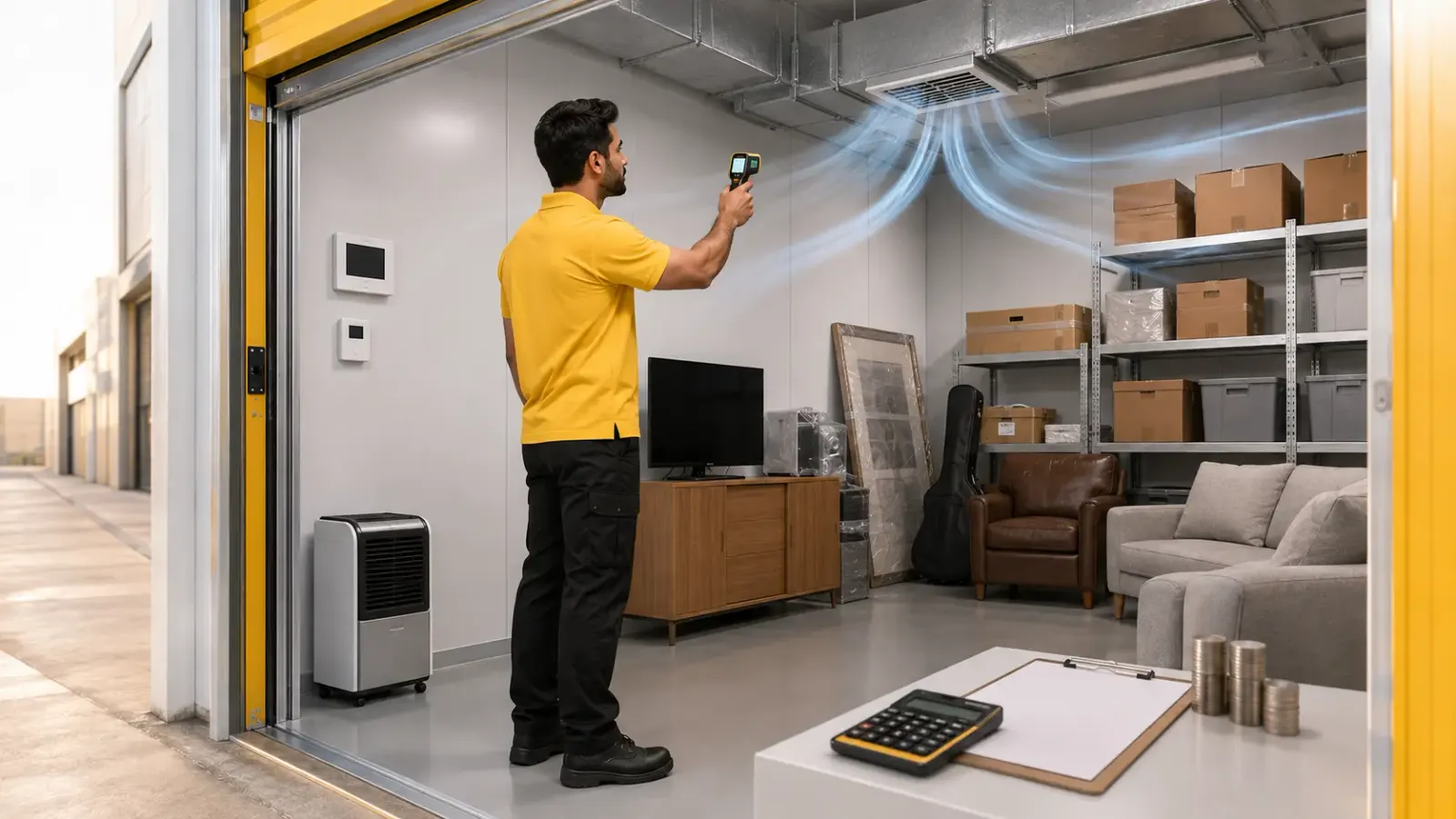
Ask specific questions. Instead of asking, “Is the unit climate controlled?” ask:
- What temperature range is maintained?
- Is humidity monitored?
- Is humidity controlled or only temperature?
- Is the environment monitored continuously?
- How are temperature changes recorded?
- What happens if the system stops working?
- Are all units climate controlled or only certain areas?
- Is climate control included in the quoted price?
- Can you explain the environmental conditions in writing?
The answers tell you much more than a marketing label. Temperature control and humidity control are not necessarily the same thing. If humidity is your main concern, make sure the provider can explain how moisture levels are managed.
What Should You Consider Before Storing Your Belongings?
Before booking a unit, make a simple risk assessment.
What are you storing? Identify materials such as wood, leather, paper, electronics and textiles.
How long will it stay there? The risk and cost calculation changes considerably between one month and one year.
How valuable are the belongings? Replacement cost matters, but so does sentimental or business value.
How sensitive are the items? Some materials tolerate normal storage conditions better than others.
What conditions does the facility actually provide? Ask for specific information rather than relying on general claims.
How often will you access the unit? Frequent access may affect how you arrange and protect your belongings.
Protect the Items That Actually Need Protection
Dubai’s heat and humidity don’t mean that every storage customer needs the most expensive storage option available. They do mean that you should think carefully about the materials you’re putting away. Durable household goods may be perfectly comfortable in a standard unit when properly prepared. Wood, leather, electronics, paper, artwork and textiles deserve more attention, especially when they are valuable or will remain stored for a long time.
The best approach is simple: identify the vulnerable items, prepare them properly, understand the storage environment and pay for climate control when the value and risk justify it. That way, you’re not spending extra money unnecessarily, but you’re also not taking avoidable risks with belongings that would be expensive, difficult or impossible to replace.
Khalid Al Mansoori
Storage & Warehousing Operations Specialist
14+ years in UAE self-storage and warehousing, managing facilities across Dubai, Abu Dhabi, and the Northern Emirates. Specializes in climate-controlled storage, unit sizing, security systems, and Free Zone vs Mainland compliance.
Sarah Mitchell
Content Lead & Storage Solutions Researcher
8 years researching and writing on UAE storage and logistics. Focuses on storage costs, unit-size guides, and packing for Dubai's climate, working closely with facility teams for accurate pricing and specs.