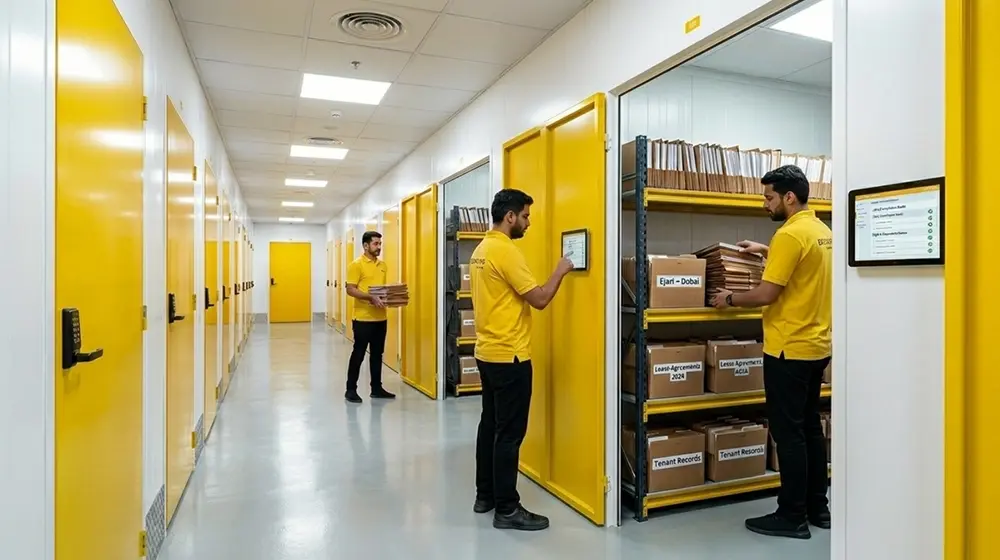
Furniture Storage in Dubai
Furniture storage in Dubai store sofas, beds, wardrobes & tables safely with climate-controlled & flexible storage units.
Furniture takes up space quickly. A sofa, dining table, bed, wardrobe and a few cabinets can fill a room long before you realise how much you actually own. When you’re moving, renovating, travelling for an extended period or simply trying to free up space at home, finding somewhere safe to keep those pieces can be a much better option than selling furniture you plan to use again.
Furniture storage in Dubai gives homeowners and businesses a place to keep sofas, beds, tables, wardrobes and other household furnishings without keeping them in an empty apartment, garage or office. The right storage solution depends on the amount of furniture you have, how long you need to store it and whether the pieces require additional protection from Dubai’s heat and humidity.
What Does Furniture Storage in Dubai Include?
Furniture storage generally means placing your household or commercial furniture inside a dedicated self-storage unit for an agreed rental period. You can store a few large pieces or the contents of an entire property, depending on the unit size you choose.
Some customers only need to store a sofa and a couple of cabinets while they redecorate. Others may need space for everything from a studio apartment to a large villa. The storage requirement can therefore vary considerably from one customer to another. Furniture storage can be useful when:
- Moving between homes and there is a gap between properties
- Renovating or repainting an apartment
- Travelling or living abroad temporarily
- Downsizing to a smaller property
- Storing furniture between tenants
- Keeping excess office furniture
- Holding furniture while selling or preparing a property
- Protecting seasonal or rarely used furnishings
The important thing is to estimate your inventory before choosing a unit. Renting a unit that is too small can make access difficult, while paying for far more space than you need simply increases your monthly bill.
How Much Storage Space Does Furniture Need?
The amount of space required depends on the furniture itself, not just the size of your home.
A furnished studio may only need a small unit, while a fully furnished villa can require considerably more space. Two customers with the same apartment size can also need different storage capacities depending on how much furniture they own. Start by making a list of the pieces you want to store. Include large items such as:
- Sofas and armchairs
- Beds and mattresses
- Dining tables and chairs
- Wardrobes
- Dressers and bedside tables
- TV units
- Bookcases
- Cabinets
- Desks and office chairs
- Outdoor furniture
Measure larger pieces where possible, especially sofas, wardrobes and beds. Remember to consider height as well as floor area because furniture can often be stacked safely when properly prepared. If you’re unsure about the amount of space required, compare your inventory with different storage unit sizes in Dubai before requesting a quote. The goal isn’t to fill every available corner. You need enough room to store the furniture safely while allowing reasonable access to the items you may need later.
Should Furniture Be Dismantled Before Storage?
In many cases, yes. Large furniture can take up considerably less space when dismantled correctly. A bed frame, dining table or shelving unit may occupy far less floor area once its removable components have been separated. Dismantling can also make furniture easier to carry through doors, corridors and lifts.
Before taking anything apart, keep all screws, brackets and fittings together. Put smaller hardware into a labelled bag and attach it to the relevant furniture piece or keep all fittings in one clearly marked container. Not every item should be dismantled. Solid furniture, delicate antiques or pieces with complicated construction may be better left intact. If you are unsure, check the manufacturer’s instructions or use professional help rather than forcing a piece apart.
How Should You Prepare Furniture for Storage?
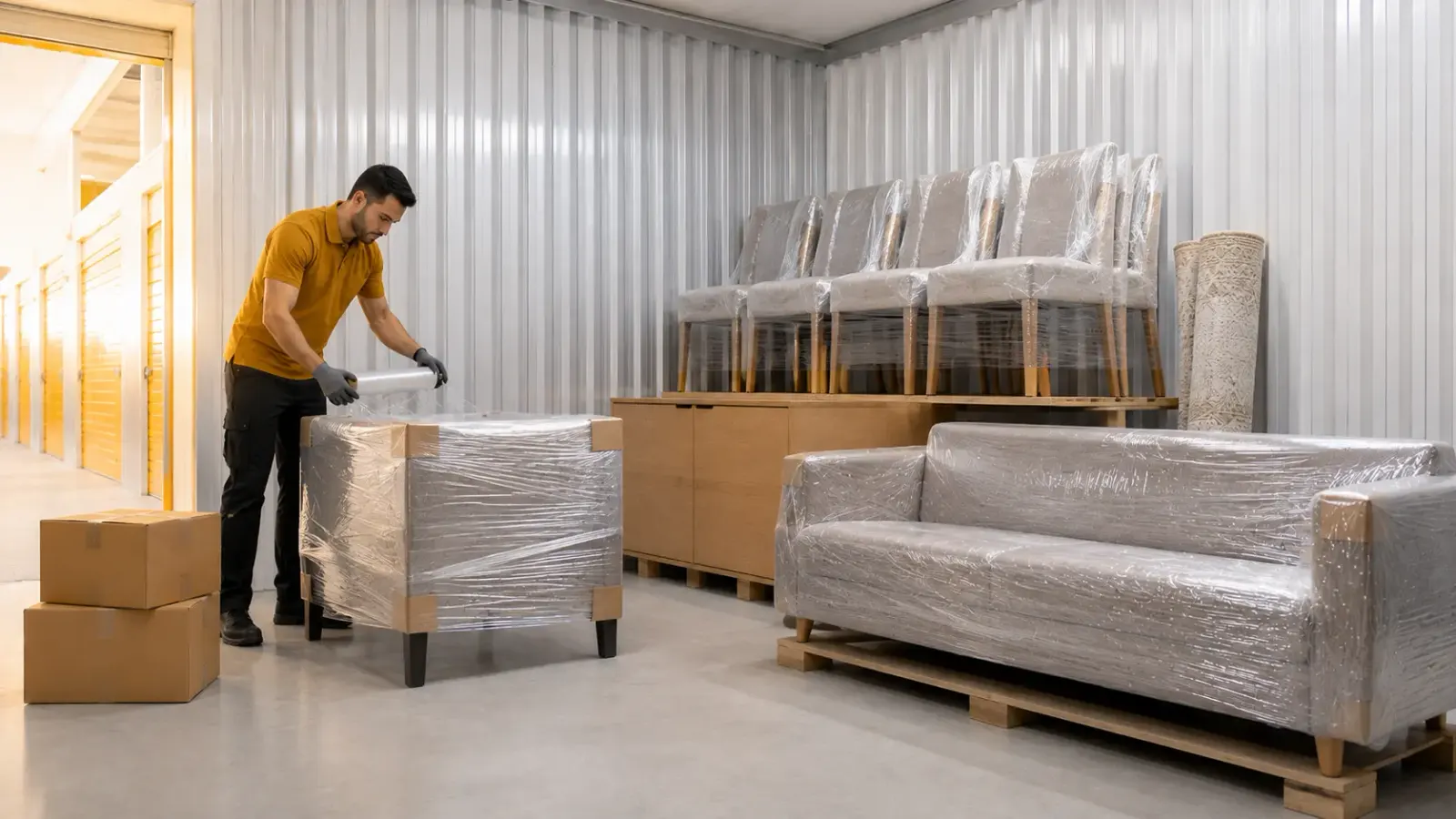
Good preparation can make a significant difference to how furniture looks when it comes out of storage. Start by cleaning everything properly. Dust, food residue and stains can become harder to deal with after months in storage. Furniture should also be completely dry before it is packed away. For wooden furniture, wipe the surfaces clean and allow them to dry thoroughly. Use suitable protective covers rather than wrapping everything tightly in plastic.
For upholstered furniture, vacuum the fabric and make sure there is no moisture trapped inside. Sofas and chairs should have breathable protection where appropriate. Mattresses should also be clean and completely dry before storage. Avoid placing heavy objects directly on top of them for long periods because this can affect their shape. A simple preparation checklist includes:
- Clean and dry every item
- Dismantle suitable furniture
- Label dismantled parts
- Keep screws and fittings together
- Cover furniture appropriately
- Protect corners and fragile surfaces
- Keep an inventory of stored items
- Avoid packing items while damp
- Leave suitable space between large pieces where possible
These small steps can save a lot of frustration when you’re ready to take everything out again.
Does Furniture Need Climate-Controlled Storage in Dubai?
This depends on the type of furniture and how long you plan to store it. Dubai’s heat and humidity are worth considering when storing materials such as wood, leather and upholstery for extended periods. Valuable wooden furniture, leather sofas and sensitive furnishings may benefit from a more controlled environment than basic storage. Climate-controlled storage can help maintain more stable temperature and humidity conditions. It doesn’t eliminate every storage risk, but it can reduce exposure to large environmental changes.
For inexpensive or durable furniture being stored for a short period, standard storage may be perfectly reasonable. For valuable furniture staying in storage for many months, the additional protection may be worth considering. Think about the replacement cost as well as the age and condition of the furniture. A basic table that would cost AED 300 to replace is a very different storage decision from an expensive solid-wood dining set that has been in your family for years.
How Much Does Furniture Storage Cost in Dubai?
There isn’t one fixed price for furniture storage because the cost depends primarily on how much space you need and how long you need it. Other factors can also affect the final price, including:
- Storage unit size
- Rental duration
- Storage conditions
- Insurance
- Pickup and delivery
- Packing services
- Access requirements
- Promotions or long-term rates
A customer storing one sofa and a few boxes will naturally need a different unit from someone storing the complete contents of a three-bedroom home. When comparing quotes, don’t focus only on the advertised starting price. Ask for the total monthly cost for the specific unit you need and confirm whether additional services are included. You can also review the storage cost in Dubai guide to understand how unit size and other factors can affect your overall storage budget.
Can My Furniture Be Collected From My Home?
Home collection can make furniture storage much easier, especially when you are dealing with large or heavy pieces. Moving a wardrobe or sofa from an apartment into storage isn’t always practical with a private car. Professional collection can save you from arranging a separate moving service and handling heavy furniture yourself.
Before booking collection, confirm what the service includes. Ask whether the provider handles loading, transportation and unloading, and whether the quoted storage price includes collection or charges it separately. Also consider the access situation at your property. Apartments may have loading bays, parking restrictions, lift requirements or building management rules that need to be arranged before moving day. Providing these details in advance can help prevent delays.
How Should Furniture Be Arranged Inside the Unit?
How you arrange the unit matters almost as much as the amount of space you rent. Start with the largest and heaviest furniture pieces. Place them carefully so they create a stable base without blocking the entrance. Beds, tables and wardrobes can sometimes be positioned vertically where it is safe to do so. Smaller boxes can then be placed around suitable gaps. However, don’t turn the unit into a tightly packed wall of furniture.
Leave enough room to access items you may need. If you know that you will probably need the sofa or a few boxes before the end of your rental, don’t bury them behind everything else. A useful approach is to create a simple inventory and decide what you are most likely to need first. Put those items closest to the entrance.
What Should You Not Store With Furniture?
Furniture should not be treated as an excuse to store everything else you own. Avoid putting perishable food, wet items or anything that could leak inside the unit. Flammable or otherwise restricted materials may also be prohibited under the storage provider’s terms.
Before moving everything in, check the provider’s list of permitted and prohibited items. You should also avoid storing furniture while it is damp. Moisture trapped inside covers or upholstery can create problems even in an otherwise well-maintained storage environment.
How Long Can Furniture Stay in Storage?
Furniture can remain in storage for weeks, months or longer, provided it is stored under suitable conditions and prepared properly. The longer the rental period, the more important preparation becomes. For long-term storage, inspect valuable furniture occasionally if your access arrangement allows it. Check for signs of moisture, pests or damage and make sure items remain properly positioned.
If you expect to store furniture for a year or more, consider whether climate-controlled storage, suitable covers and professional handling are appropriate for your specific pieces. The rental period should also influence the type of unit you choose. Someone storing furniture for six weeks has different priorities from someone storing a complete household for eighteen months.
What Happens When You Need Your Furniture Back?
Getting furniture back out should be considered before you pack the unit. Keep your inventory updated and label boxes clearly. If furniture has been dismantled, keep its hardware together. Avoid placing heavy boxes on top of fragile pieces. Dubai Municipality’s storage guidance also recommends keeping stored goods stable and ensuring that storage arrangements do not obstruct emergency exits or access routes. When you’re ready to retrieve your belongings, check whether the provider requires advance notice. If collection or delivery is available, confirm the cost and arrange a suitable time.
If you are moving directly from storage into a new apartment, coordinate the storage retrieval with your building’s moving rules. This can be particularly important in Dubai apartment buildings where lift bookings and loading times may need to be arranged. Planning the exit properly can make the final move much less stressful.
Is Furniture Storage Better Than Selling?
That depends on your circumstances. If you are moving into a smaller property temporarily but expect to need the furniture again, storage can make more sense than selling everything and buying replacements later. The same applies when you’re travelling, renovating or waiting for a new home to become available.
However, storage isn’t automatically the right answer for furniture you no longer want. If an item has little practical or sentimental value and you haven’t used it for years, paying monthly storage fees may not be worthwhile. Before renting, separate your furniture into three groups:
- Keep: Items you definitely want to use again
- Store: Items you need but cannot currently accommodate
- Sell or donate: Items you no longer need
This simple exercise can reduce the amount of storage space you require and, in turn, lower your monthly cost.
How to Choose the Right Furniture Storage Option in Dubai
The best storage solution is the one that matches your furniture rather than simply the one with the biggest unit or lowest advertised price. Start with your inventory. Measure the largest pieces, decide whether anything can be dismantled and estimate how often you will need access. Then consider the storage environment. If you’re storing valuable wood, leather or upholstered furniture for an extended period, ask about climate control and environmental conditions.
Finally, compare the complete price. Check the rental rate, unit size, collection charges, insurance and any other fees before making a decision. A few minutes spent comparing the details can prevent you from paying for unnecessary space or discovering unexpected charges later.
Furniture Storage That Fits Your Situation
Furniture storage in Dubai can be a practical solution when your home, office or temporary accommodation doesn’t have enough room for the things you want to keep. The right approach starts with the furniture itself. Work out how much you actually have, prepare each piece properly and choose a unit with enough capacity to store everything safely without wasting space.
For short-term storage of durable furniture, a standard unit may be enough. For valuable wooden, leather or upholstered pieces staying in storage for a longer period, climate-controlled storage may be worth considering. Most importantly, don’t choose a unit based on price alone. Compare the space, storage conditions, handling options and total cost. When those factors match your actual needs, storing your furniture becomes a practical way to create extra space without giving up belongings you plan to use again.
Khalid Al Mansoori
Storage & Warehousing Operations Specialist
14+ years in UAE self-storage and warehousing, managing facilities across Dubai, Abu Dhabi, and the Northern Emirates. Specializes in climate-controlled storage, unit sizing, security systems, and Free Zone vs Mainland compliance.
Sarah Mitchell
Content Lead & Storage Solutions Researcher
8 years researching and writing on UAE storage and logistics. Focuses on storage costs, unit-size guides, and packing for Dubai's climate, working closely with facility teams for accurate pricing and specs.