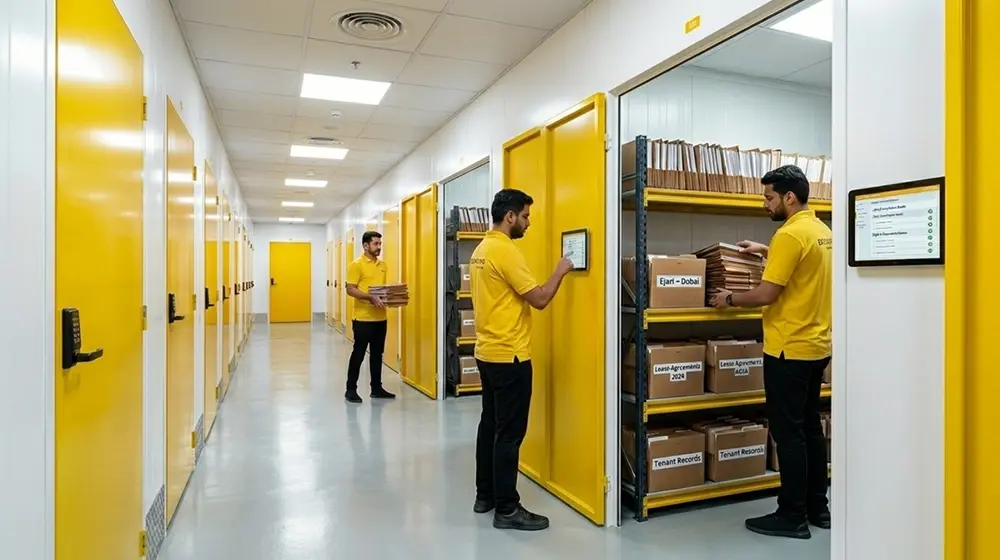
Appliance Storage in Dubai
Appliance storage in Dubai store fridges, washing machines & electronics safely with climate-controlled & flexible storage units.

Large household appliances are some of the most awkward things to keep when you don’t have enough room at home. A refrigerator cannot simply be folded away, a washing machine is heavy even when empty, and appliances such as televisions, ovens and air conditioners need more care than a box of household items.
That is where appliance storage in Dubai can make life easier. Whether you’re renovating, moving between homes, travelling for an extended period or clearing a property, a suitable storage unit gives you somewhere to keep appliances until you’re ready to use them again. But appliances shouldn’t be treated like ordinary furniture. Before storing a fridge, washing machine or other white goods, they need to be cleaned, disconnected and properly dried. The storage environment also matters, particularly when expensive electronics, motors or compressors are involved.
Which Appliances Can Be Stored?
Most household appliances can be placed in storage when they have been properly prepared. The exact items accepted will depend on the storage provider’s terms, so always check before booking.
Common appliances that may need storage include:
- Refrigerators and freezers
- Washing machines
- Dryers
- Dishwashers
- Ovens and cookers
- Microwaves
- Televisions
- Coffee machines
- Small kitchen appliances
- Air-conditioning equipment
- Fans and dehumidifiers
The main consideration is the condition of the appliance before it enters storage. Anything containing water, food residue or moisture should be cleaned and dried first. Some items may also have specific handling requirements because of their size, weight, batteries, fuel or other components. If you’re unsure whether an appliance is suitable for storage, ask the provider before arranging transportation.
How to Prepare Appliances Before Storage
Proper preparation is more important for appliances than many people realise. A washing machine that still contains water can develop unpleasant odours or moisture-related problems. A refrigerator that hasn’t been cleaned properly can become unhygienic. Even small amounts of trapped moisture can become an issue during long-term storage.
Before moving appliances into storage, work through the following steps:
- Disconnect the appliance from its power supply.
- Drain any water or other removable fluids.
- Clean the interior and exterior.
- Allow the appliance to dry completely.
- Remove detachable shelves, trays and accessories where practical.
- Secure doors, cables and loose components safely.
- Protect exposed surfaces from scratches.
- Keep manuals and important accessories together.
- Photograph the appliance before storage.
Don’t rush the drying process. If an appliance has been washed or drained, give it enough time to become completely dry before covering it and placing it in storage. For larger appliances, follow the manufacturer’s instructions for disconnection and transportation.
How Should a Refrigerator Be Stored?
A refrigerator needs particular attention because it can retain moisture and odours inside its compartments. After switching it off and disconnecting it, remove all food and clean the interior thoroughly. Empty and drain any water where applicable, then allow the inside to dry completely. One important mistake is sealing a refrigerator completely shut for a long period. Trapped moisture and restricted airflow can create unpleasant smells and encourage mould growth.
The refrigerator door should therefore be positioned according to the manufacturer’s storage or transportation guidance rather than being tightly sealed closed. If the door is secured for transportation, adjust the arrangement once the appliance is safely positioned in storage. Remove shelves and drawers if they can be transported separately without causing damage, and protect them from breakage. If you’re storing a fridge for many months, check its condition periodically where access arrangements allow it.
What About Washing Machine Storage?
Washing machines should be drained and dried carefully before storage. Water can remain inside parts of the machine even after a normal cycle has finished. Follow the manufacturer’s instructions for draining the appliance, including the appropriate drain hose and filter procedures.
Once drained, leave the door open while the machine dries. Don’t immediately wrap it tightly while moisture is still present. When transporting the washing machine, secure any components that need to be secured according to the manufacturer’s instructions. Keep hoses, fittings and other removable parts together so they don’t disappear during the storage period. A washing machine is also heavy, so use appropriate moving equipment rather than trying to carry it manually without assistance.
Should Appliances Be Kept Plugged In?
Generally, appliances should be disconnected before being placed into storage unless the storage provider specifically provides an appropriate powered storage arrangement and the appliance manufacturer recommends it. A standard storage unit isn’t the same as a working kitchen or utility room. Keeping an appliance connected without a clear reason can create unnecessary risks and may conflict with the facility’s rules.
Before storing an appliance, check the provider’s terms regarding:
- Electrical connections
- Batteries
- Powered equipment
- Refrigeration equipment
- Extension cables
- Charging devices
If an appliance has an internal battery, such as certain smart devices or backup systems, check the manufacturer’s storage recommendations rather than making assumptions.Electrical appliances should also be handled and maintained according to their intended use and safety instructions. UAE requirements for low-voltage electrical appliances emphasise safe assembly, connection and appropriate maintenance, making the manufacturer’s instructions an important reference when preparing appliances for storage.
Does Climate Control Matter for Appliances?
Climate control can be worth considering for appliances that contain sensitive electronics, displays, circuit boards, motors or compressors. Dubai’s hot climate is an important consideration when appliances are going to remain in storage for months. Temperature and humidity can affect different materials and components in different ways.
This doesn’t mean every appliance automatically requires climate-controlled storage. A basic metal appliance stored for a short period may have different requirements from an expensive refrigerator, television or electronic device being kept for a year. Think about the appliance’s value, construction and expected storage period.
Climate-controlled storage may be worth considering for:
- High-value refrigerators
- Televisions
- Computers and monitors
- Electronic kitchen equipment
- Appliances with sensitive digital controls
- Expensive coffee machines
- Appliances being stored for extended periods
If you’re uncertain, check the manufacturer’s long-term storage instructions and ask the storage provider what environmental conditions its units provide.
How Much Storage Space Do Appliances Need?
Appliances are bulky but usually have relatively predictable dimensions. A full set of white goods might include a refrigerator, washing machine, dryer, dishwasher and oven. These items can consume considerable floor space when placed together. Before choosing a unit, measure the largest appliances and make a basic inventory.
Record:
- Length
- Width
- Height
- Quantity
- Weight where relevant
- Whether the item can be dismantled
- Whether additional clearance is required
Don’t calculate the unit based purely on floor area. Height also matters, particularly if smaller appliances or boxes can be safely stacked around larger items. However, heavy appliances should not be stacked on top of one another simply to save space. The arrangement needs to remain stable and allow safe movement. If you are storing appliances alongside furniture and household boxes, allow enough space for access rather than filling the unit completely.
Can Appliances Be Stored With Furniture?
Yes, provided the storage arrangement is suitable and the provider permits both types of items. Combining appliances and furniture can make sense when you’re storing the contents of an apartment or villa.
For example, you might store:
- Refrigerator
- Washing machine
- Sofa
- Bed
- Dining table
- Wardrobe
- Television
- Kitchen appliances
- Household boxes
The trick is to plan the layout before everything arrives. Place large, heavy appliances where they can remain stable. Keep fragile electronics away from areas where they could be knocked during retrieval. Avoid placing boxes where they could fall onto appliances. You can also use furniture covers and suitable padding to protect surfaces during loading and unloading. If you’re unsure how much room your appliances and furniture will require together, compare your inventory with the available storage unit sizes in Dubai before choosing a unit.
How Much Does Appliance Storage Cost in Dubai?
There isn’t one fixed price for appliance storage because the cost depends on how much space you require and how long you need it. A customer storing a refrigerator and washing machine for two months will have very different requirements from someone storing a complete set of household appliances for a year.
Factors that can affect the total cost include:
- Storage unit size
- Rental duration
- Standard or climate-controlled storage
- Pickup and delivery
- Insurance
- Access requirements
- Packing or handling services
- Promotional or long-term rates
When comparing prices, ask for the total cost for your specific inventory. A low advertised starting price may only apply to a small unit that isn’t large enough for your appliances. It’s also useful to calculate the cost over the full rental period rather than focusing only on the first month. The storage cost in Dubai guide can help you understand the main factors that influence the price.
Should You Cover Appliances in Storage?
Protective covers can help keep appliances clean and reduce the chance of scratches during handling. However, don’t assume that completely sealing an appliance in airtight plastic is always the best option. If moisture remains trapped inside, a tight covering can create problems rather than prevent them. The appliance should be clean and completely dry before covering.
Use suitable covers and padding according to the appliance and storage conditions. Keep vents and other important openings unobstructed where the manufacturer’s instructions require it. For screens and delicate surfaces, use appropriate protective material that won’t scratch the surface.
How Should Appliances Be Moved Into Storage?
Large appliances should be handled carefully from the moment they leave your home. A refrigerator, washing machine or dryer can be heavy and awkward to move through apartment corridors, lifts and doorways. Professional movers may be worth using, particularly when access is difficult. Before collection, check your building’s moving rules. Some Dubai residential buildings require advance lift bookings, specific loading times or access arrangements. At the storage facility, appliances should be positioned securely and without blocking the entrance or access route. Don’t place heavy items where they could fall or damage other belongings.
How Long Can Appliances Stay in Storage?
Appliances can remain in storage for months or longer when they are prepared correctly and stored under appropriate conditions. Long-term storage deserves more attention than a short temporary rental. If an appliance is going to remain unused for a year, consider its manufacturer’s recommendations for extended storage. Check whether certain parts should be removed, doors left in a particular position or components protected in a specific way.
Keep accessories, cables and manuals labelled. It can be surprisingly frustrating to retrieve an appliance months later only to discover that the power cable or fitting you need is in another unidentified box. An inventory with photographs makes the process much easier.
What Should You Check Before Reconnecting an Appliance?
Don’t rush to plug an appliance in immediately after removing it from long-term storage. First inspect it carefully.
Look for:
- Visible scratches or dents
- Signs of moisture
- Rust or corrosion
- Damaged cables
- Cracked plastic components
- Missing fittings
- Unusual odours
- Loose parts
- Signs of pests or contamination
For refrigerators and other large appliances, follow the manufacturer’s transportation and installation instructions before switching them on. If an appliance has been transported in a position other than the one recommended by the manufacturer, check the manufacturer’s guidance regarding how long it should remain upright before operation. For expensive appliances, professional inspection or installation may be worthwhile.
What Appliances Should Not Go Into Storage?
Not every appliance or related item is suitable for a storage unit. The provider’s prohibited-items policy should always be checked before moving anything in. Items containing fuel, hazardous chemicals or other restricted substances may not be permitted.
You should also avoid storing appliances with food, water or other materials still inside them. Never use the storage unit as a place to dispose of unwanted appliances. If an appliance is broken beyond practical repair and you don’t intend to use it again, recycling or responsible disposal may make more sense than paying monthly storage fees.
How to Organise Appliances for Easy Retrieval
Think about what you are likely to need first. If you’re storing appliances while renovating your home, you may need certain kitchen equipment before the rest of your belongings. If you’re moving abroad temporarily, you may not need anything until you return. Put frequently needed items somewhere accessible. Keep an inventory showing where each appliance is positioned.
For example:
Front left: Washing machine Front right: Dryer Rear left: Refrigerator Rear right: Dishwasher
You don’t need a complicated warehouse-management system for household storage. A simple diagram and a list of items can be enough. The main objective is to avoid moving five heavy appliances just to reach one small item.
Is Appliance Storage in Dubai Worth It?
For people who plan to use their appliances again, storage can be a sensible alternative to selling everything and replacing it later. It is particularly useful during home moves, renovations, temporary relocations and extended travel. Instead of filling a new property with items you don’t currently need, you can keep them safely stored until the timing is right.
The most important thing is preparation. Drain washing machines, clean refrigerators, dry everything thoroughly, disconnect appliances properly and protect delicate surfaces. Consider climate-controlled storage when you’re keeping valuable electronics or sensitive appliances for an extended period. Then choose the unit based on the actual dimensions of your inventory rather than guessing from the number of appliances. A little planning at the beginning can make the entire process easier, cheaper and safer. When the time comes to bring your appliances home, you’ll know exactly where everything is, what condition it was in before storage and what needs to be checked before it goes back into service.
Khalid Al Mansoori
Storage & Warehousing Operations Specialist
14+ years in UAE self-storage and warehousing, managing facilities across Dubai, Abu Dhabi, and the Northern Emirates. Specializes in climate-controlled storage, unit sizing, security systems, and Free Zone vs Mainland compliance.
Sarah Mitchell
Content Lead & Storage Solutions Researcher
8 years researching and writing on UAE storage and logistics. Focuses on storage costs, unit-size guides, and packing for Dubai's climate, working closely with facility teams for accurate pricing and specs.