
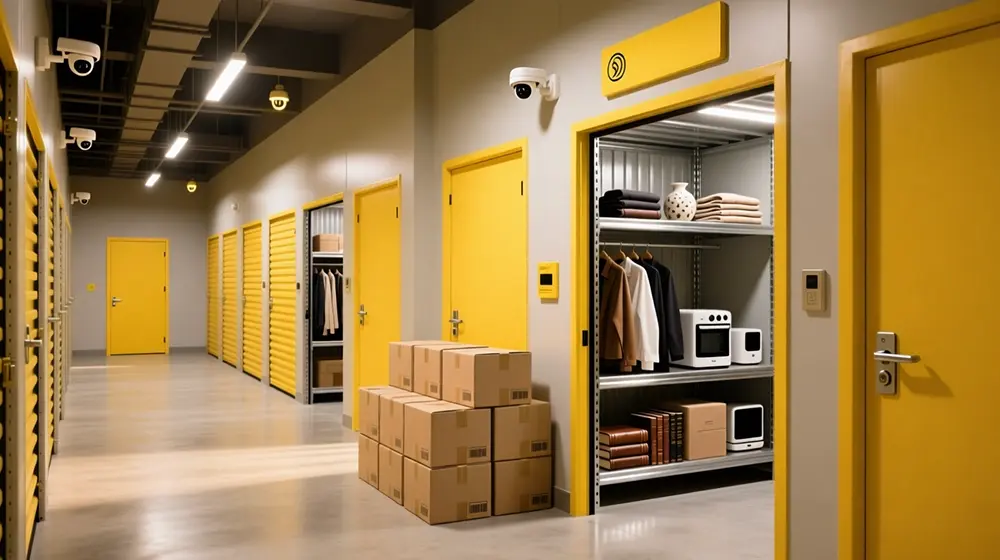
Being a Dubai resident, you are not quite surprised by the fact that space is frequently hard to find, especially in an apartment or shared living space. Box storage in Dubai is convenient whether you are relocating, going on a vacation, or simply decluttering.
Yet one question many users have is: What can I store in box storage?
This practical prep manual is your guide to that question with real life illustrations and a straightforward checklist that will help you determine what to take and what to leave behind, how to maximise your storage space, and how to make the most of what you pack.
Why Box Storage Makes Sense in Dubai
Dubai is a place of motion. Whether they are expats and students or frequent travellers and remote workers, people are always on the move. This presents a significant difficulty: what do with your belongings when you are between houses, on vacation, or are out of room space?
Box storage is a solution to that issue. It enables you to:
- Keep what you require per box
- Make pickups and deliveries without coming to a facility
- Prevent the expense of leasing bigger warehouses
- Make your things secure, tidy, and out of reach
Ready to get specific? Here are the things people do keep and the things they do not keep.
What You Can Store in Box Storage in Dubai
The following is a breakdown of common items that would be stored according to real user scenarios.
1. Clothing You Don’t Need Right Now
User scenario: I live in a one bedroom apartment in Dubai Marina, and my wardrobe is packed. I want space, yet I do not wish to dispose of anything.
What to store:
- Warm clothes (jackets, shoes, mittens)
- Summer products in cool seasons
- Off season or Occasion wear
Tip: Put in vacuum seal bags and fold to save space.
2. Books and Study Materials
User scenario: I am a university student returning home in the summer. I cannot bring all my textbooks and notes.”
What to store:
- Reference books and textbooks
- Notebooks, portfolios, and old assignments
- Test preparation materials
Tip: Put in a smaller box or separate heavy books into different containers so that you do not overload
3. Personal Documents and Files
User scenario: We are a small company storing files with papers to show auditors or contracts, and we do not have an additional room in our office.
What to store:
- It consists of archived invoices, bills, and reports
- Legal documents (copies only)
- Warranty cards, manuals, receipts
Note: Sensitive files should be stored in plastic sleeves or envelop to create an extra layer of protection.
4. Baby Things You Desire to Possess
User scenario: Baby has outgrown her clothes and toys, and we will have a second child later.
What to store:
- Baby clothes and shoes
- Soft toys, books
- Baby bottles, baby carriers, diaper bags
Tip: Wash well before storage to prevent smells.
5. Small Electronics and Accessories
User scenario: “I have recently increased my home office system and have some old devices that I do not wish to sell.”
What to store:
- Old tablets, cables, and chargers
- Speakers, headphones, portable devices
- Extraneous keyboards, routers, or modems
Note: Batteries should be removed, and nothing with a full lithium ion battery should be stored unless authorised.
6. Kitchen Items You Don’t Use Often
User scenario: I am a lover of cooking, but my kitchen is small. I need some space to store seasonal tools that I can only use during holiday times.”
What to store:
- Serving trays or spare dishes
- Bakeware or big pots
- Small appliances such as slow cookers
Tip: Wrap glasses and ceramics in newspaper or bubble wrap.
7. Seasonal or Holiday Decorations
User scenario: We celebrate Christmas big, and having lights and decorations up all year is a hassle.
What to store:
- Ornaments, Christmas trees, Christmas lights
- Ramadan Eid decoration
- Halloween costumes
Tips: Stack the boxes labelled by holiday or event, so you can order them as needed.
8. Sports and Hobby Equipment
User scenario: I ride bikes in winter and swim in summer. The hallway is too tight with my gear.”
What to store:
- Tennis racquets, yoga mats, and resistance bands
- Scuba equipment, mountain trek shoes, snowboard equipment
- Art supplies, crafts, or collectables
Tip: Store items with sharp edges, liquids only with approval.
What You Should Not Store
To safeguard your assets and those of others, certain things are not allowed in any box restaurant solutions.
- Food or anything that will perish
- Flammable products or chemicals
- Money, jewellery, or personal goods of value
- Live animals or plants
- Sharp objects or weapons
- Leaking or wet materials
Confirm the availability of a list of restricted items with the provider always.
How to Pack Items the Right Way
- Label them so that you can track them easily.
- Place heavier contents on the bottom of the box.
- Put additional padding on fragile products.
- Take an inventory or photos of the contents in each box online.
Orderly packing not only keeps your belongings safe but also enables you to locate them when you need them.
Who Should Consider Box Storage?
Box storage in Dubai is particularly applicable in:
- Expats between jobs or apartments
- University students on summer vacation
- Families with growth or seasonal dairy requirements
- Travellers seeking to store luggage temporarily
- Business owners who have too much inventory on hand
Do you fall into one of these categories? You are not alone, and box storage could help you.
Final Thoughts
Are you running low on space but cannot resist disposing of your stuff? Box storage is an effective, affordable, and convenient method of storing what matters in Dubai. Knowing what to carry, what to store, and how to pack can help you maximize this flexible solution.
A student, expat, family member, or business owner, box storage fits your lifestyle, serves your space needs, and makes life more comfortable every day.