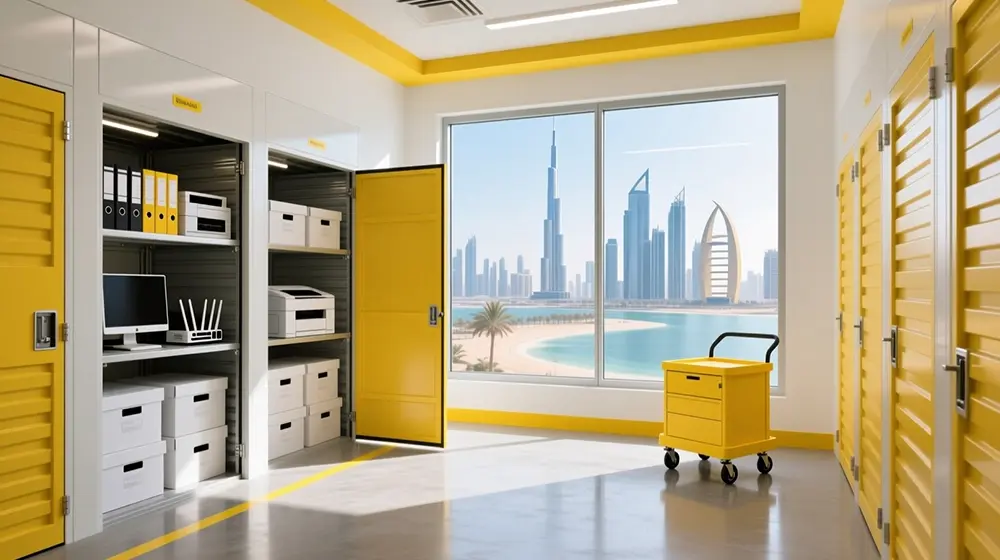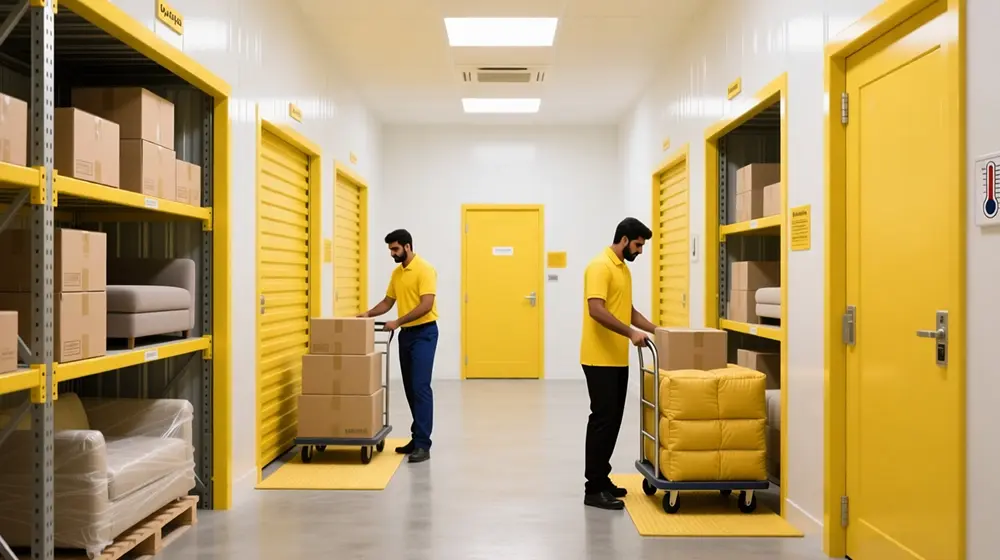
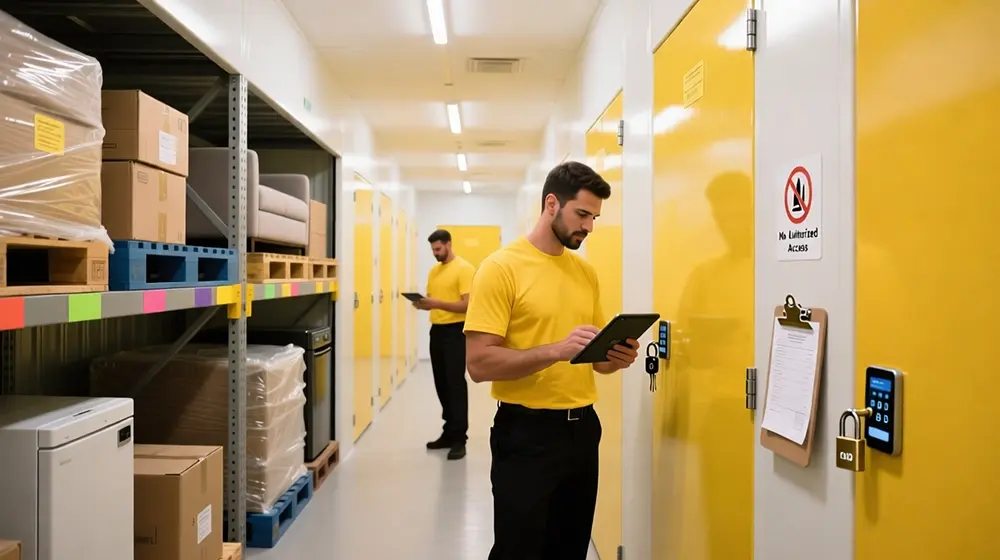
Self storage in Abu Dhabi now sits at the point where rapid population growth, tighter housing markets, and extreme climate meet everyday rental decisions. Emirate reached about 4.14 million residents in 2024 after 7.5 % annual growth and a 51 % rise over the last decade, so relocations, furnished apartments, and deposit linked inspections are all increasing. Abu Dhabi also faces a harsh desert climate, with average annual temperature near 27.9 °C and only about 42 millimetres of rain each year, conditions that can quietly damage furniture and electronics in basic storage rooms without climate control. Rising housing costs match population pressure, while industry research values the UAE self-storage market at about 602.5 million dollars in 2024 and forecasts it will climb to roughly 859.2 million dollars by 2030. In this context, one overlooked fee line or missed arrears clause can turn a simple storage decision into surprise bills, lockout notices, or disputes.
This guide explains how to read contracts, compare unit types, and protect both stored contents and rental deposits.
What macro trends drive self storage in Abu Dhabi?
Self storage in Abu Dhabi is driven by demographic growth, mobility, and rent patterns that increase the need for temporary and medium term storage.
Population and mobility indicators
| Indicator | Value | Year |
|---|---|---|
| Total population | 4,135,985 residents | 2024 |
| Annual population growth | 7.5 % | 2024 |
| Population in 2014 | about 2.7 million | 2014 |
| Ten year population growth | about 51 % | 2014–2024 |
Key implications for self storage in Abu Dhabi:
- More residents mean more lease starts, lease ends, and short notice relocations.
- Rising economic licenses and construction investment increase commercial storage demand for equipment and inventory.
- More international professionals increase the number of furnished apartments, which multiplies the volume of furniture in circulation.
Rent and transaction activity
- Central bank data report a 2.9 % year on year increase in residential rent transactions in Abu Dhabi in the first half of 2024.
- Apartment rent transactions grew 3.1 %, and villa rent transactions grew 1.9 % in the same period.
- Apartment rent rises of around 9 to 12.7 % year on year in some recent periods, especially in popular districts.
These values indicate more move in and move out dates, more deposit transfers, and more situations where self storage in Abu Dhabi holds furniture while inspections and fit out work proceed.
How does Abu Dhabi’s climate increase the need for climate controlled and secure self storage?
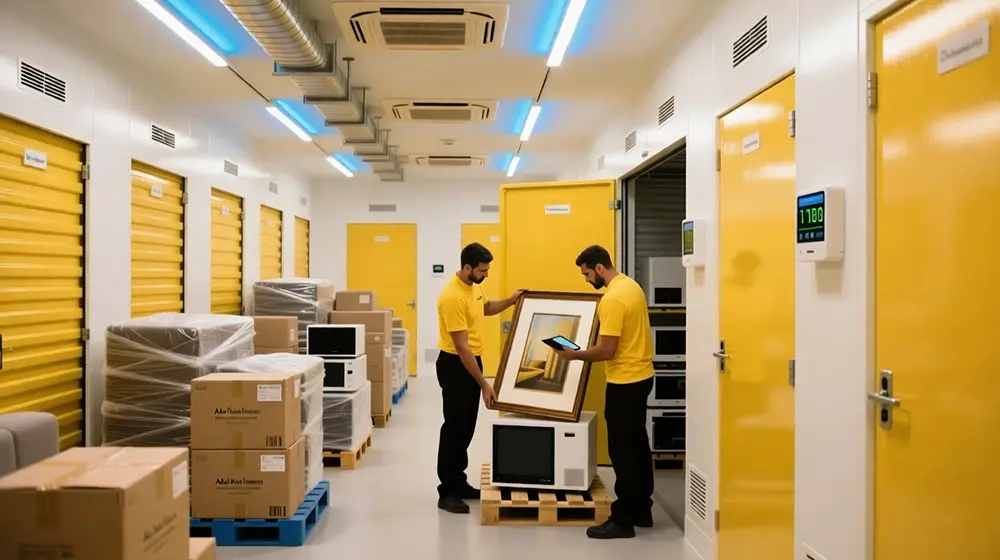
Abu Dhabi’s climate increases the need for climate controlled and secure self storage because high temperatures, low rainfall, and significant humidity accelerate damage in basic storage rooms.
Climate data records for Abu Dhabi describe an average annual temperature close to 27.9 °C, with summer daytime highs often above 40 °C and very low annual rainfall of about 42 millimetres, which means long hot seasons with minimal natural cooling.
Monthly climate tables show summer months such as August with mean temperatures near 38 °C and relative humidity often around the mid forties to mid fifties %, while shoulder months such as October and November show humidity readings around 54 to 56 %, levels that support mold and corrosion risk in unventilated rooms.
In this climate, climate controlled and secure self storage in Abu Dhabi normally maintains temperature within a defined range, often in the low to mid twenties °C, and uses insulation, dehumidifiers, sealed doors, pest control, and intrusion monitoring, which reduces mold growth, fabric decay, wood warping, and rust on metal fixtures.
When residents choose basic storage without climate control, the combination of high heat and moderate humidity can damage glued joints, leather finishes, electronics, and paper over one or two summers, so later inspection disputes and insurance claims become more common.
How large is the UAE self storage market, and what does this imply for pricing?
The UAE self-storage market reached about 602.5 million USD in 2024 and is projected to reach about 859.2 million USD by 2030, with an expected 6.3 % annual growth rate.
Market structure and revenue focus
- Medium unit sizes currently generate the highest revenue share.
- Large units are forecast to record the fastest growth to 2030, which reflects demand from villa residents and small businesses with higher volume storage needs.
For self storage in Abu Dhabi, this scale has two key implications:
1. Advanced pricing models
Providers use multiple fee categories to compete on headline rent while preserving margin.
2. Segment-based climate control
Climate controlled and secure units often appear in mid and premium segments, with a clear rent premium over basic storage.
Typical charge categories that can generate surprise bills
Bullet points below use a noun based list.
- Base rent: Charge per square foot or per unit, often quoted monthly.
- Administration fee: One time fee during account opening.
- Security deposit for the unit: Refundable if no damage or arrears appear.
- Insurance premium: Mandatory or optional cover for stored contents.
- Access or after hours fee: Fee for visits outside standard hours in some sites.
- Late payment fee: An additional amount after a defined grace period.
- Lock cutting or lock replacement fee: Fee when access hardware requires replacement after a lockout.
- Auction, disposal, or lien fee: Charge if goods require removal after prolonged non payment.
If a resident only evaluates base rent, then self storage in Abu Dhabi can appear cheaper than it is. When admin, insurance, and possible late charges are added, the real cost rises, and surprise bills appear.
How do security deposits and rent levels in Abu Dhabi increase dispute exposure?
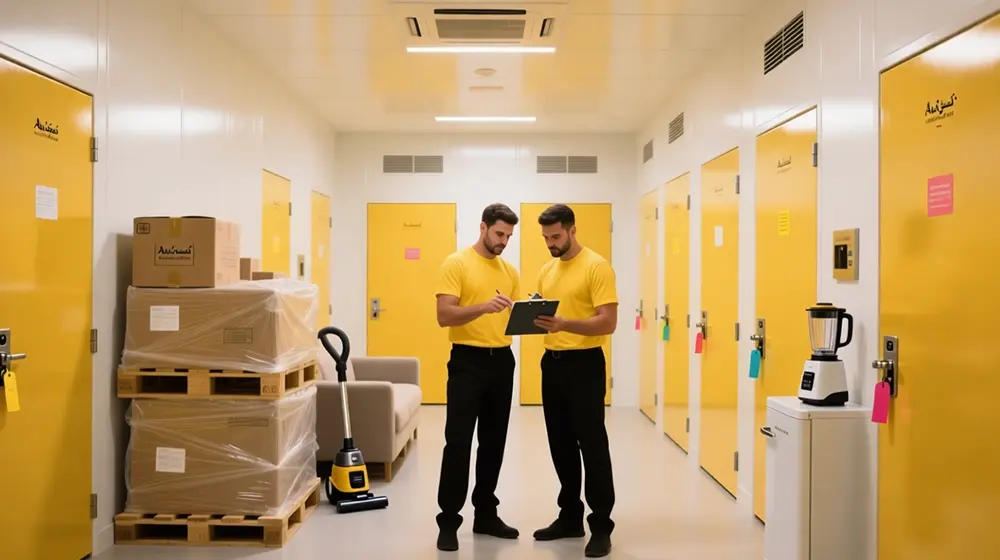
Security deposits and rent levels increase dispute exposure because higher deposits create larger amounts at risk when inspections identify alleged damage.
Deposit norms in the UAE rental practice
Multiple tenant guides and brokerage articles describe a common pattern in the UAE and Abu Dhabi rental markets.
- Unfurnished apartments: About 5 % of the annual rent as a security deposit.
- Furnished apartments: About 10 % of annual rent as a security deposit.
Example deposit values for Abu Dhabi residents
| Scenario | Annual rent (AED) | Deposit rate | Deposit amount (AED) |
|---|---|---|---|
| Mid range unfurnished apartment | 70,000 | 5 % | 3,500 |
| Mid range furnished apartment | 70,000 | 10 % | 7,000 |
| Premium furnished 2 bedroom | 120,000 | 10 % | 12,000 |
At the same time, apartment rent transactions and asking rents show clear upward trends, with annual rent increases of around 9 to 12.7 % in some reports.
When residents place furniture in self storage in Abu Dhabi between move out and move in dates, three separate risk points appear:
- Exit inspection for the old home.
- Condition of items when they enter or leave the storage unit.
- Entry inspection for the new home.
If damage appears at the end of this sequence, both residential deposits and storage deposits may be at stake. Climate controlled and secure units reduce climate related causes but do not replace documentation.
Which contract clauses in self storage in Abu Dhabi often cause lockout notices?
Contract clauses in self storage in Abu Dhabi often cause lockout notices when they define strict responses to non payment, safety breaches, or unauthorised access.
Payment and arrears clauses
Noun-based list:
- Due date and grace period: Exact calendar day when rent is considered late.
- Late fee formula: Fixed fee or %age applied after late status.
- Lock out trigger: Number of days after due date when gate or lift access may be blocked.
- Lien or sale timeline: Minimum notice period before contents may be sold or disposed of.
Access and conduct clauses
- Access hours: Defined opening times for the facility and any premium time charges.
- Code or card sharing rules: Limits on lending access tools to third parties.
- Use of corridors and common areas: Prohibition on storage outside the leased unit.
- Prohibited contents: Flammable items, illegal goods, perishable food, and certain chemicals.
If a resident misses email notices or does not read the arrears section, the first visible sign can be a lockout. When this event combines with high internal temperatures in non climate controlled rooms, the risk of damage increases while access remains restricted.
How do climate controlled and secure facilities reduce the probability of disputes?
Climate controlled and secure facilities reduce dispute probability by lowering environmental damage and improving evidence quality.
Technical and procedural features
Features in climate controlled and secure self storage in Abu Dhabi often include:
- Temperature management: Air conditioning and insulation that keep internal temperature in the low to mid twenties °C.
- Humidity management: Dehumidifiers and sealed envelopes that aim to keep humidity closer to mid range values than outdoor peaks.
- Pest control: Regular inspections and treatment that reduce insect and rodent activity.
- Security systems: Access control, cameras, and intrusion alarms that track entry and exit events.
Annual average humidity around 52 %, with seasonal peaks in the mid fifties % during autumn, explains why these features matter for materials that absorb moisture.
Impact on disputes and insurance
Climate controlled and secure self storage in Abu Dhabi supports a clearer narrative in three ways:
- Lower incidence of climate driven damage.
- Facility records that show stable environmental ranges and access logs.
- Stronger basis for insurance claims when policy terms require evidence of reasonable storage conditions.
When disputes about mold, warping, or corrosion arise, detailed logs and photographs complement facility data, which reduces reliance on memory or opinion.
How can residents compare basic units to climate controlled and secure self storage in Abu Dhabi?
Residents can compare basic units to climate controlled and secure self storage in Abu Dhabi by analysing climate protection, security layers, and total cost over the planned storage period.
A practical comparison uses three categories.
1. Climate protection
- Basic units: Exposed to external temperature swings, limited ventilation, and limited humidity management
- Climate controlled and secure units: Target temperature range, dehumidification, insulation, sealed doors, monitored environment
2. Security measures
- Basic units: manual padlocks, shared corridor access, limited camera coverage
- Climate controlled and secure units: access control systems, individual unit alarms in some sites, more extensive CCTV, staffed reception or patrols
3. Cost and value
- Basic units: lower monthly rent, higher expected damage probability over long hot seasons
- Climate controlled and secure units: higher monthly rent, lower expected damage probability, and stronger documentation for insurance or deposit disputes
For a storage term of six to twelve months, residents can calculate a simple expected cost formula that multiplies the monthly rent by the number of months and adds an estimated damage cost based on previous experience. In many cases, the incremental rent for climate controlled and secure storage in Abu Dhabi remains lower than one potential deduction from a residential security deposit for mold or warped wooden items.
Which practical steps reduce surprise bills, lockout notices, and disputes in self storage in Abu Dhabi?
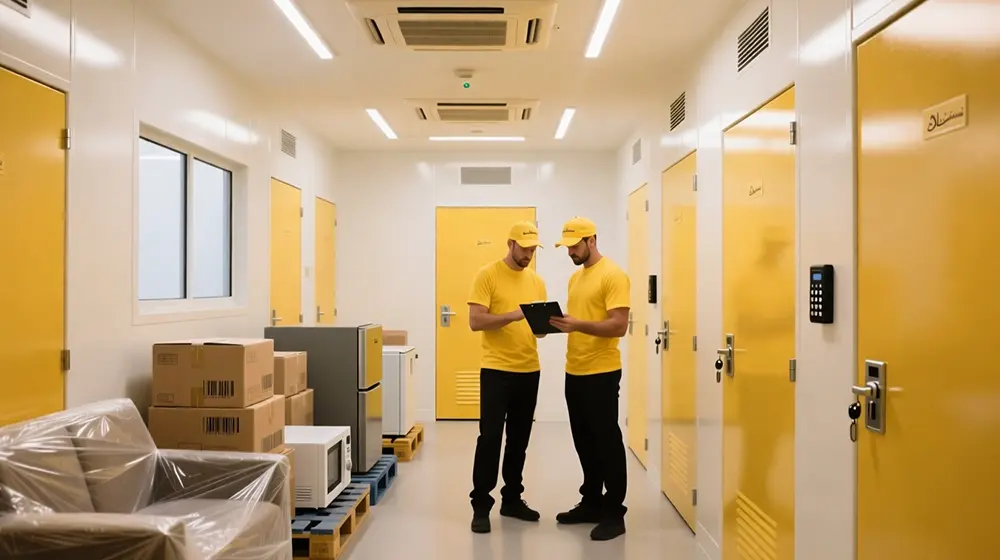
Practical steps reduce surprise bills, lockout notices, and disputes in self storage in Abu Dhabi when residents treat the storage contract with the same attention as a residential lease.
Key steps include:
1. Map all charges before signing
- List base rent, admin fee, insurance, deposit, promotional discounts, and late fees.
- Confirm currency, billing cycle, and payment method.
2. Read the lockout and lien clauses line by line
- Note the grace period length and the exact trigger for lockout notices
- Check which communication channels count as a valid notice
3. Choose climate controlled and secure storage for sensitive items
- Prioritise climate controlled and secure units for soft furnishings, wood furniture, electronics, musical instruments, documents, and artwork
4. Document condition with structured photos
- Capture wide and close images of each large item with time stamps and simple labels.
- Store copies in at least two digital locations
5. Use an inventory linked to box numbers
- Assign a unique number to each box or pallet
- Keep a short list of contents and approximate value
6. Clarify access rules and shared use
- Confirm access hours, weekend rules, and public holiday policies
- Ask whether subkeys or shared codes are allowed under the contract
7. Store contracts and receipts in a dedicated folder
- Keep the self storage contract, residential leases, and key email exchanges together
- Record dates for renewals, planned exits, and last inspection
These steps increase transparency for both parties and create an evidence trail that supports residents if invoices include unagreed items or if disputes about damage enter formal channels.
Conclusion: Turn Your Storage Contract into a Safety Net, Not a Trap
The self storage in Abu Dhabi may secure your furniture and deposits or turn out to be the secret cause of additional bills and stress. It almost always depends on how you select the unit, how well you know the provisions on arrears and lockout, and how well you get organised in terms of photos, inventories, and receipts. A simple unit in an up and coming city of soaring rental rates, giant deposits, and appalling climate conditions can become costly after damage, interest, or auction payments are added to it. When you treat a storage contract with the same attention as a residential lease, you shift the balance in your favour. You map every fee, pick climate controlled and secure storage for sensitive items, and keep a clear record of the condition of your belongings at each stage of a move. If a dispute or insurance claim appears later, you have dates, images, and documented terms instead of relying on memory.
The goal is not just to find space for boxes. It is to protect what you own, keep control of your monthly costs, and avoid the shock of a lockout notice on the day you actually need your furniture. With a structured checklist and informed questions, self storage in Abu Dhabi becomes a useful tool that supports relocations and renovations instead of turning into another risk to manage.
Frequently Asked Questions
Why is self storage in Abu Dhabi growing so fast?
Because strong population growth, frequent relocations, and rising rents all increase demand for temporary and medium term storage.
What is the biggest cause of surprise bills in self storage contracts?
Surprise bills usually come from admin fees, mandatory insurance, late fees, and auction or disposal charges that were not checked at the start.
How can I avoid lockout notices on my storage unit?
You avoid lockouts by knowing the exact due date, the grace period, and the lockout trigger, then paying before that cutoff every month.
Is climate controlled and secure storage always worth the extra rent?
For wood furniture, soft furnishings, electronics, artwork, and documents stored over one or more summers, the extra rent is often cheaper than one deposit deduction.
What is the typical security deposit for an apartment in Abu Dhabi?
Many landlords ask for about five % of annual rent for unfurnished apartments and around ten % for furnished apartments.
How does the climate in Abu Dhabi affect stored furniture?
You should keep the storage contract, payment receipts, key email notices, and time stamped photos of each item before and after storage.
What documents should I keep to support a future dispute or claim?
You should keep the storage contract, payment receipts, key email notices, and time stamped photos of each item before and after storage.
How can I compare basic storage units with climate controlled and secure units?
Compare them on climate protection, security systems, and total expected cost, including possible damage and deposit risks over the full storage period.
Do I really need insurance for my self storage unit?
Insurance is not always mandatory, but it adds a layer of protection when high value items or full household contents are stored for several months.
What simple actions give me the strongest position if a dispute arises?
Mapping all fees, reading arrears and lien clauses line by line, using an inventory with box numbers, and documenting condition with clear photos gives you the strongest position.