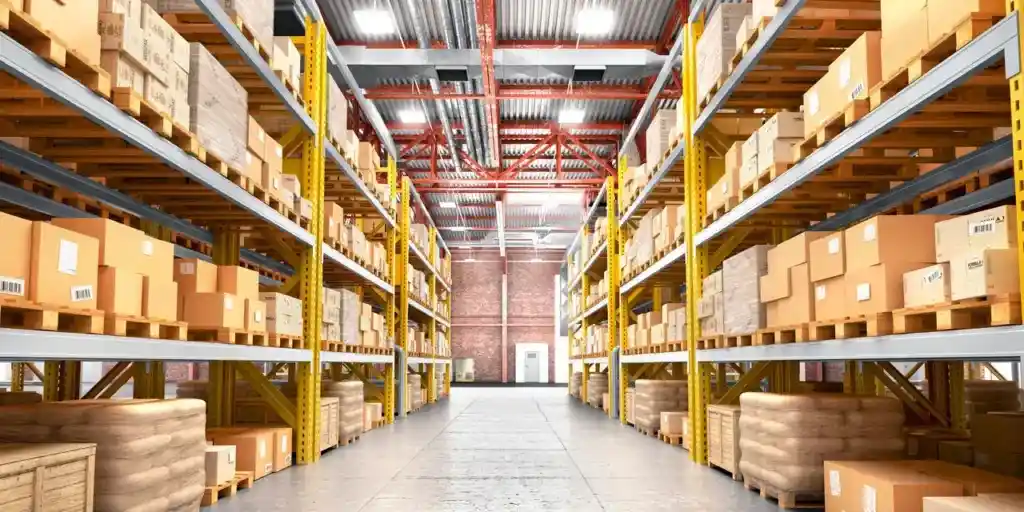
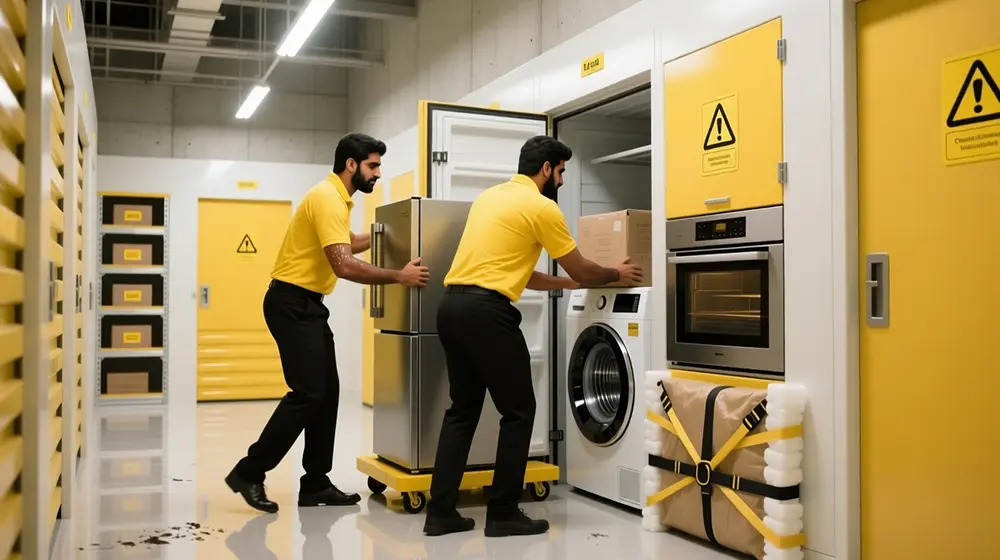
Safe and secure appliance storage in Dubai grows in importance because rapid population growth, dense housing, and frequent home relocation and apartment relocation increase pressure on space and appliances.
Dubai’s population has reached about 4,036,863 residents in 2025, after adding more than 208,030 people in one year and more than doubling the population since 2011. This growth feeds new towers and villa communities, where many residents lease rather than own. During each home relocation or apartment relocation, households move or store:
- Large fridges and freezers
- Front loading washing machines and dryers
- Built in or freestanding cookers
- Dishwashers and smaller appliances
In practice, residents use self storage and warehouse facilities when:
- A lease ends before a new home becomes ready
- An apartment relocation passes through staged renovations
- A home relocation sends families abroad for one or two years
- A villa upgrade replaces older appliances, but owners keep them as backup
Safe and secure appliance storage in Dubai, therefore, sits between the tenancy contract, the moving quotation, and the warehouse contract, even when residents focus only on visible rent numbers.
This guide explains how climate, deposits, and warehouse clauses combine into a hidden risk and how residents can read contracts before they sign.
Climate Data Showing Why Appliances Need Controlled Storage in Dubai Warehouses
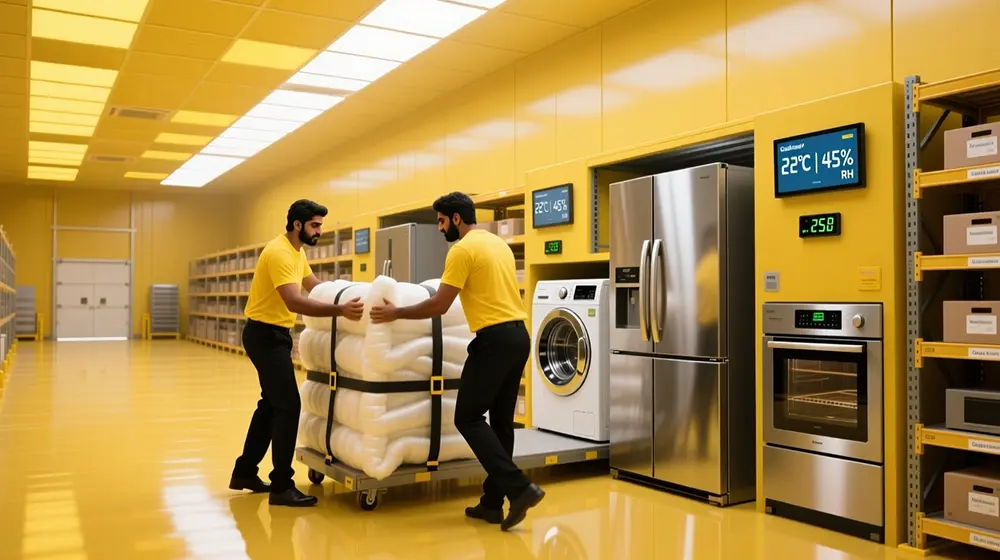
Climate figures for Dubai show that uncontrolled storage creates real risk for metal, plastic, and electronic components inside appliances.
Climate data for Dubai describe a hot desert environment with summer daytime temperatures often above 40 °C and coastal humidity that can reach or exceed 80 to 90 %. Research on indoor environments reports that relative humidity above about 60 % and warm temperatures favour corrosion and mould on building materials and equipment.
For safe and secure appliance storage in Dubai, this climate profile means:
- Bare metal at the back of fridges and washers faces accelerated rust in humid air
- Rubber door seals on fridges and front loaders harden and crack when exposed to heat
- Electronic control boards inside ovens and washing machines face condensation cycles
- Painted panels show blistering when moisture sits under paint layers
Climate controlled warehouses in the UAE describe controlled temperature and humidity as a core feature, with systems that maintain moderate internal conditions through continuous air conditioning and ventilation. Safe and secure appliance storage in Dubai depends on written confirmation that the chosen facility provides these conditions across all months of storage.
How do warehouse contracts for appliance storage in Dubai usually work?
Warehouse contracts for appliance storage in Dubai usually define unit size, rental term, liability allocation, and access rules, but many contracts keep technical protections in broad legal language. Self storage providers describe short term rentals on a month to month basis for relocation projects and long term contracts for annual storage, with separate tariffs for climate controlled storage and standard storage.
A typical storage agreement for home relocation and apartment relocation in Dubai often contains:
- A licence or lease description that states the customer receives the right to use a unit
- A clause that transfers most risk for stored appliances to the customer, except in limited negligence cases
- A declaration that the customer must insure the contents independently
- A statement that the provider offers 24 hour CCTV, access control, and pest control
Many residents scan these sections without matching them to the actual value of stored appliances, which can easily exceed 15,000 to 30,000 AED for one fridge, one washing machine, one dryer, and one cooking range in a modern apartment. In that context, a short warehouse contract silently interacts with deposit exposure that already equals 5 to 10 % of annual rent.
Claims by Dubai Warehouse Providers About Climate-Controlled Units for Appliances
Warehouse and self storage providers in Dubai claim that climate controlled units protect sensitive household goods, including appliances, from heat and humidity.
Storage operators in Dubai describe climate controlled storage as units that maintain stable, moderate temperatures and control humidity through air conditioning and airflow. Marketing pages for self storage facilities mention:
- Air conditioned corridors and units
- Continuous air circulation for better air quality
- Protection for electronics, documents, and furniture
- Flexible sizes for personal and business storage
For residents planning home relocation or apartment relocation, these claims translate into practical questions about safe and secure appliance storage in Dubai:
- Which temperature range does the facility target and monitor?
- Which humidity range does the facility attempt to maintain?
- Which backup systems support climate control during power interruptions?
- Which maintenance procedures protect against dust and pest intrusion?
A warehouse contract that lists climate control as a paid feature without numeric ranges leaves a gap between marketing claims and enforceable duty.
How Rent and Deposits Relate Appliance Storage to Home & Apartment Moves
Rent and deposit figures in Dubai connect directly to safe and secure appliance storage because damaged appliances influence inspection reports and deposit refunds.
Guides for tenants in Dubai explain that landlords usually collect a security deposit equal to about 5 % of annual rent for unfurnished properties and 10 % for furnished properties. At the same time, market platforms report:
- The average annual rent for a studio apartment is 59,000 AED across Dubai.
- Many 2 bedroom apartments in central projects near 140,000 to 160,000 AED per year, with some examples near 150,000 AED in Dubai Marina areas.
These figures create deposit exposures as shown in the table.
| Home type | Annual rent (AED) | Deposit 5 % (AED) | Deposit 10 % (AED) | Typical appliances involved |
|---|---|---|---|---|
| Studio apartment relocation | 59,000 | 2,950 | 5,900 | One fridge, one washer, cooking hob or cooker |
| 2 bedroom apartment relocation | 150,000 | 7,500 | 15,000 | Two to three AC units, fridge, washer, cooker |
| 3 bedroom villa relocation | 200,000 | 10,000 | 20,000 | Full kitchen set, washer, dryer, extra freezer |
During apartment relocation or home relocation, many landlords classify built in or supplied appliances as part of the furnished package. In that case, a rusted fridge door, a warped hob surface, or a damaged oven seal after storage becomes a direct debit from the higher deposit band. Safe and secure appliance storage in Dubai, therefore, acts as a financial control, not just a convenience.
Warehouse Contract Clauses Affecting Safe & Secure Appliance Storage in Dubai
Several warehouse contract clauses affect safe and secure appliance storage in Dubai, yet many residents sign them without a detailed review.
1. Climate control clause
Climate controlled storage in Dubai often appears as a phrase, not as a quantified standard. Contracts may refer to temperature controlled or AC storage without any numeric description. Provider material for climate controlled units sometimes mentions moderate indoor temperatures and continuous airflow.
Key checks:
- Presence of an explicit temperature range, for example, a band in degrees Celsius
- Presence of a humidity target range or at least a description of humidity management
- Reference to monitoring systems, alarms, or logs for temperature excursions
2. Liability and exclusions clause
Real estate guidance on Dubai deposits explains that deposits cover tenant caused damage, not normal wear. Warehouse contracts, however, often exclude liability for:
- Mould and condensation on stored items
- Rust or corrosion on metal parts
- Damage from temperature or humidity variations
This combination leaves residents exposed between two contracts. The landlord can claim that an appliance returned from storage is in worse condition, while the warehouse can rely on exclusions that treat climate effects as inherent risks.
3. Insurance clause
Many self storage contracts state that customers remain responsible for contents insurance, even in secure and climate controlled units. Suggested checks:
- Presence of a required or recommended insurance clause
- Maximum liability per unit in local currency
- Obligation to declare the total value of contents
4. Handling and access clause
Home relocation and apartment relocation often involve external movers. Warehouse contracts sometimes record that loading and unloading by third party movers stays at the customer’s risk. Residents then require separate documentation from the moving company to cover dents, broken handles, or cracked glass that occur at the loading ramp.
How Residents Can Audit a Warehouse for Safe & Secure Appliance Storage

Residents can audit a warehouse for safe and secure appliance storage in Dubai through a structured site and document review before any appliance enters the unit.
Step by step pre contract audit
1. Verify climate figures on site
- Ask for written temperature and humidity ranges for appliance storage units
- Request to see the climate control equipment or the monitoring screens
2. Inspect a sample unit
- Check that the unit has solid walls, sealed ceilings, and no visible moisture marks
- Confirm that doors close fully and show intact seals
3. Review security controls
- Observe CCTV coverage in corridors and loading bays
- Confirm access control at entrances and lift lobbies
4. Ask for pest control records
- Request the current pest control contract and recent treatment dates
5. Request a standard contract copy
- Read the climate, liability, insurance, and access clauses before committing
- Highlight unclear sections and ask for plain language explanations
6. Document the initial condition of appliances
- Capture photos of each appliance, including close ups of panels and seals
- Record serial numbers and visible existing marks
This checklist integrates safe and secure appliance storage in Dubai into the same level of due diligence that many residents already apply to a new lease.
Key Questions About Safe & Secure Appliance Storage in Dubai
Tenants and owners can use targeted questions to reveal gaps in warehouse contracts during home relocation and apartment relocation planning.
Climate and equipment questions
- What exact temperature band do climate controlled units maintain?
- How does the facility monitor humidity in appliance storage units?
- What backup system supports air conditioning during power failures?
Contract and liability questions
- Which types of damage fall under normal risk and which trigger provider liability?
- What is the maximum compensation per unit in case of proven negligence?
- Does the contract recognise any special category for high value appliances?
Operational questions
- Which team handles the loading and unloading of appliances at the warehouse?
- What are the access hours during which movers can operate inside the facility?
Residents who ask these questions create a documented record of safe and secure appliance storage in Dubai, which assists in later discussions if a dispute arises.
Self-Check: Appliance Storage Risks for Home & Apartment Moves
Use this short self check as a practical tool. Score one point for each answer marked yes.
Part A: Appliance profile
- Do stored appliances include a large double door fridge or a side fridge?
- Do stored appliances include a front loading washing machine or dryer with electronic controls?
- Do stored appliances include a built in oven or hob unit lifted from a fitted kitchen?
Part B: Contract and climate profile
- Does the current warehouse contract avoid numeric temperature or humidity descriptions?
- Does the current warehouse contract classify mould, condensation, and rust as customer risk?
- Does the current warehouse contract set a liability limit per unit below the replacement cost of one major appliance?
Part C: Relocation profile
- Does the current home relocation include more than one elevator transfer or more than one loading ramp?
- Does the current apartment relocation pass through narrow corridors or older service lifts with cosmetic wear?
- Does the current relocation schedule store appliances for more than three months?
Interpretation guide
- A score from 0 to 3 points indicates a lower combined risk profile, but documentation still deserves a detailed read.
- A score from 4 to 6 points indicates a moderate risk profile, and residents benefit from contract review and unit inspection.
- A score from 7 to 9 points indicates a higher risk profile, and safe and secure appliance storage in Dubai becomes a priority action rather than a secondary task in the relocation plan.
This interactive self check converts abstract contract clauses into a simple numeric summary that residents can use during planning discussions with movers and storage providers.
Comparison of storage fees with potential deposit loss in Dubai
A simple comparison between climate controlled storage fees and potential deposit loss highlights the financial logic behind safe and secure appliance storage in Dubai. Storage facilities state that climate controlled units cost more than non controlled units but provide better protection for sensitive items.
Typical ranges appear in the table below, using conservative examples from market descriptions.
| Scenario | Monthly climate-controlled storage (AED) | Storage duration (months) | Storage cost (AED) | Possible deposit of 10 % of rent (AED) |
|---|---|---|---|---|
| Studio apartment relocation | 400 | 3 | 1,200 | 5,900 |
| 2 bedroom apartment relocation | 550 | 3 | 1,650 | 15,000 |
| 3 bedroom villa home relocation | 700 | 3 | 2,100 | 20,000 |
In each case, three months of climate controlled storage costs less than half of a potential full deposit deduction for damaged appliances. For many residents, this ratio supports investment in safe and secure appliance storage in Dubai instead of accepting uncontrolled warehouse conditions.
How Apartment and Home Relocation Differ for Appliance Storage in Dubai
Apartment relocation in Dubai focuses more on vertical access and tower management rules, while home relocation for villas focuses more on volume and high value fitted kitchens.
Key patterns:
- Apartment relocation often passes through multiple service lifts and tight corridors, raising impact risk on appliance panels during loading and unloading.
- Home relocation from villas usually involves larger numbers of appliances, such as extra freezers and secondary fridges, which increase total storage value.
- High rise building managers sometimes restrict access hours and service lift bookings, which affects the timing of delivery into and out of storage units.
As a result, apartment relocation benefits from detailed coordination between movers and warehouse operators about access slots, while home relocation benefits from precise inventory lists and declared values in storage contracts. In both cases, safe and secure appliance storage in Dubai sits at the centre of risk management.
Core Lessons on Safe and Secure Appliance Storage in Dubai Contracts
The core lesson is that safe and secure appliance storage in Dubai depends less on verbal promises and more on specific numbers, clauses, and procedures recorded in warehouse contracts.
Population growth above four million residents, strong rental demand, and deposit bands near 5 to 10 % of annual rent create a measurable financial exposure for every home relocation and apartment relocation. At the same time, climate data for Dubai confirm persistent heat and humidity that push unprotected appliances toward corrosion and premature failure.
Residents who align three documents gain the highest protection:
- The tenancy contract with clear deposit provisions
- The moving contract with clear responsibilities for appliance handling
- The warehouse contract with clear climate, liability, and access terms
In that alignment, safe and secure appliance storage in Dubai shifts from an afterthought to a structured control that preserves both appliance life and household budgets.
Conclusion: Turning Warehouse Contracts Into Real Protection
Safe and secure appliance storage in Dubai quietly connects three different documents that many residents rarely read in detail. The tenancy contract sets deposit exposure, the moving contract governs how appliances leave and re enter the home, and the warehouse contract decides what actually happens to those appliances during months of heat and humidity. When even one of these papers stays vague, the cost appears later as rusted panels, warped hobs, damaged seals, and reduced deposit refunds.
A short visit to the facility, a calm line by line read of the contract, and a few direct questions about climate ranges, exclusions, and insurance change that picture. Instead of accepting climate controlled as a marketing phrase, residents ask for temperature bands, humidity targets, liability limits, and written proof of pest control and security routines. In practice, this effort takes less time than a single evening of online listings, yet it protects appliances that may cost more than one month of rent.
The core decision is simple. Either the warehouse contract recognises the real value of stored appliances, or it treats them as generic contents in a locked room. Residents who insist on the first option give their appliances a fair chance to return home in the same condition they left.
Why do appliances in Dubai need climate controlled storage rather than standard warehouse space?
High heat and coastal humidity accelerate rust, seal damage, and electronic faults when appliances sit in uncontrolled units.
How long can I safely store a fridge or washer in a Dubai warehouse?
Short periods under three months are safer if the unit is climate controlled, monitored, and checked before and after storage.
Does climate control on a brochure always mean safe for appliances?
No, you still need numeric temperature and humidity ranges in the contract and some proof of monitoring on site.
How does appliance storage link to my security deposit during home relocation?
If supplied appliances return from storage in worse condition, landlords may treat the damage as tenant caused and deduct from the deposit.
What is the single most important clause to read in a warehouse contract?
The liability and exclusions clause reveals which types of damage the provider refuses to cover.
Do I really need separate insurance if the warehouse has CCTV and access control?
Yes, most storage providers require or recommend that customers insure contents because their own liability is capped.
What should I check inside a storage unit before moving appliances in?
Look for sealed ceilings, dry walls, intact doors, signs of regular cleaning, and no visible moisture marks or pest traces.
How do I compare the cost of climate controlled storage with possible deposit loss?
Add the total storage fee for the planned months and compare it with ten percent of your annual rent as a rough deposit exposure.
What questions should I ask movers about handling appliances to and from storage?
Ask who is responsible for loading, which protection materials they use, and how they document the condition at pickup and delivery.
What written evidence should I keep after placing appliances in storage?
Keep the signed contract, climate and liability details, payment records, and dated photos of each appliance with visible serial numbers.