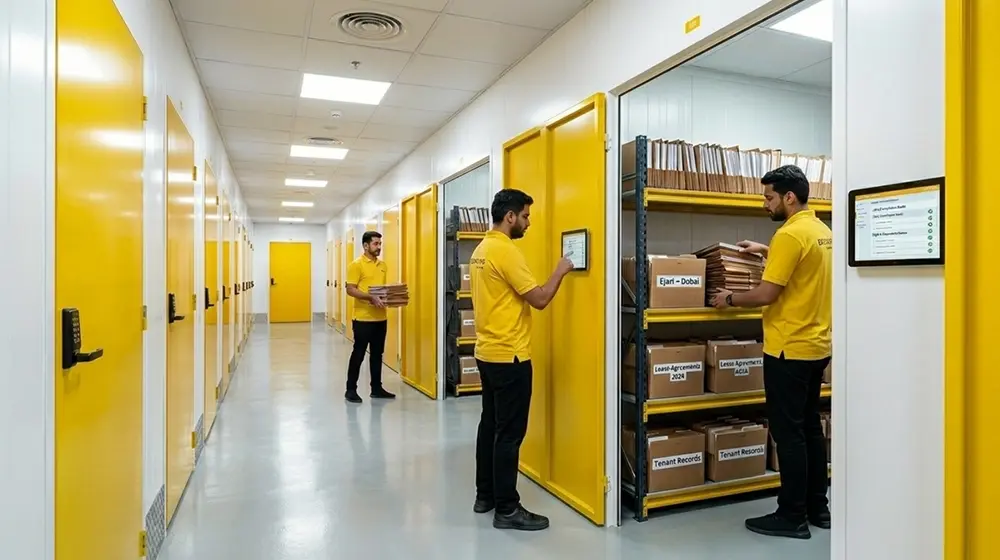
Long-Term Furniture Storage in Dubai
Long-term furniture storage in Dubai prepare, protect & store sofas, beds & wardrobes safely for months or years without damage.
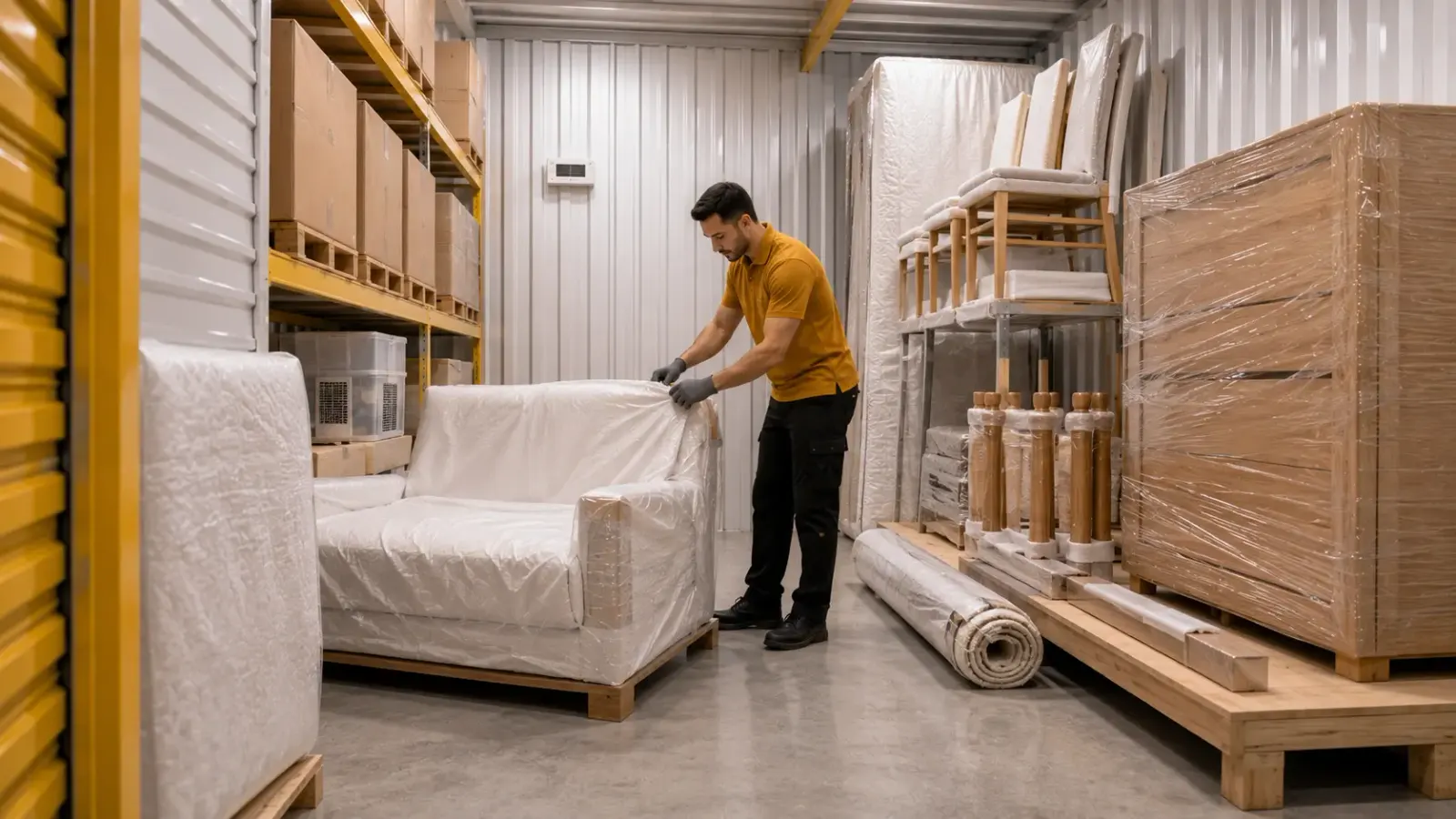
Keeping furniture in storage for a few weeks is one thing. Leaving it there for a year or longer is a different situation entirely. Over a long period, small problems that seem unimportant at first can become expensive. Dust can settle into upholstery, wooden surfaces can react to poor conditions, and poorly wrapped items can become difficult to inspect or move safely.
That is why long-term furniture storage in Dubai needs more planning than simply choosing a unit and putting everything inside. The furniture needs to be prepared properly, the storage environment should suit the materials, and the unit should be checked periodically when possible. Whether you’re travelling for an extended period, moving abroad, renovating a property or keeping furniture between homes, the aim is simple: store it in a condition that makes it usable when you need it again.
How Long Is Considered Long-Term Furniture Storage?
There is no single point at which furniture suddenly becomes “long-term” storage. In practical terms, anything lasting six months or more deserves more attention than a short-term storage arrangement. Once furniture is expected to remain in storage for a year or longer, preparation becomes particularly important. You are no longer dealing with a temporary gap between two homes. The furniture is effectively being preserved for future use. The longer the rental period, the more important it becomes to think about:
- The material and condition of each furniture item
- Temperature and humidity
- Protection from dust and accidental damage
- How items are wrapped and positioned
- Whether the unit can be inspected periodically
- The total cost of storage over the expected period
- How easily the furniture can be removed later
A year of storage also gives you plenty of time to forget what’s inside the unit. Keeping a simple inventory from the beginning can save a lot of trouble later.
What Changes After Six Months?
Furniture does not necessarily deteriorate simply because it has been stored for six months. The bigger issue is that prolonged exposure to unsuitable conditions gives problems more time to develop. Wooden furniture, for example, can respond to changes in temperature and humidity. Leather can require careful protection, while upholstered furniture can collect dust or develop problems if it was stored while damp.
The condition of the furniture before storage also matters. A sofa that is already damp, stained or damaged should not simply be wrapped and forgotten for a year.
Before placing anything into storage, look at its current condition. Clean it, repair obvious damage where practical and make sure it is completely dry. After six months, it is worth reviewing whether your original storage arrangement still makes sense. You may have changed your plans, acquired more furniture or realised that certain items need to be accessed sooner than expected.
How to Prepare Furniture for a Year or More
Long-term storage starts before the furniture enters the unit. Give every piece a proper clean. Dust and dirt left on furniture can become much harder to deal with later. Upholstery should be vacuumed, wooden surfaces should be cleaned appropriately and leather should be prepared according to the manufacturer’s care recommendations.
Moisture is one of the biggest things to avoid. Never wrap furniture while it is wet or damp. Allow everything to dry fully before covering or storing it. Where possible, dismantle furniture that is designed to come apart. Removing table legs, bed frames and detachable shelving can save space and make transportation easier. Keep screws, brackets and other fittings in labelled bags so you aren’t searching for them a year later.
A useful long-term preparation checklist includes:
- Clean furniture before moving it into storage.
- Make sure every item is completely dry.
- Dismantle suitable furniture carefully.
- Label all hardware and fittings.
- Protect corners and delicate surfaces.
- Use suitable covers that provide protection without trapping unwanted moisture.
- Keep an inventory of everything stored.
- Photograph valuable furniture before storage.
- Avoid placing heavy items on delicate upholstery.
- Leave enough room to inspect and access important pieces.
That last point is easy to ignore. Packing every centimetre of the unit may look efficient, but it can make inspection and retrieval unnecessarily difficult.
Is Climate Control Important for Long-Term Furniture Storage in Dubai?
For furniture stored for a year or longer, the storage environment deserves serious consideration. Dubai’s climate means heat and humidity are important factors when deciding how to store materials such as wood, leather and upholstery. A climate-controlled environment can provide more stable temperature and humidity conditions than basic storage.
That doesn’t mean every chair, table or cabinet automatically needs climate-controlled storage. Durable furniture may be perfectly suitable for standard storage, particularly when the rental period is shorter and the items have relatively low replacement value. The decision becomes more important when the furniture is expensive, delicate or difficult to replace.
Consider climate-controlled storage more carefully for:
- Solid-wood furniture
- Antique or valuable pieces
- Leather sofas and chairs
- High-quality upholstered furniture
- Musical furniture or instruments
- Furniture with delicate finishes
- Items with significant sentimental value
Think about the cost of the furniture as well as the cost of protecting it. Paying a little more each month can be reasonable when you’re protecting belongings that would be expensive or impossible to replace.
How Should Furniture Be Wrapped for Long-Term Storage?
Wrapping furniture is useful, but the wrong type of wrapping can create problems. The objective is to protect surfaces from dust, scratches and accidental contact while still allowing suitable ventilation where required. Avoid treating every piece as though it needs to be sealed completely. Wooden furniture should be protected with appropriate furniture covers. Upholstered items should be covered in a way that protects the fabric without unnecessarily trapping moisture.
For delicate surfaces, use padding around corners and areas that could be scratched during movement. Do not place furniture directly against other pieces if doing so could cause rubbing or pressure damage. A little space between items can also make inspection easier. If you are unsure about how a particular material should be stored, check the manufacturer’s care instructions before wrapping it.
How Should a Storage Unit Be Arranged for a Long-Term Rental?
A long-term unit should be organised with future access in mind. Put the larger, heavier pieces in a stable position first. Avoid creating unstable stacks simply to fit more furniture inside. If something is likely to be needed earlier than other items, keep it closer to the entrance.
You can divide the unit into practical zones. For example, keep bedroom furniture together, dining furniture in another area and office items separately. Label boxes on multiple sides rather than only on the top. If you eventually stack boxes, you will still be able to identify what’s inside. Create a basic inventory containing:
- Item description
- Quantity
- Location inside the unit
- Condition before storage
- Photographs where useful
- Any dismantled components
This is especially helpful when you’re storing an entire apartment or villa for an extended period.
Should You Inspect Furniture During Long-Term Storage?
If your storage arrangement allows access, periodic inspection is a sensible precaution. You don’t necessarily need to visit every week. For furniture stored for a year or longer, occasional checks can help identify problems before they become more serious. The inspection should focus on visible condition rather than constantly moving everything around.
Check for:
- Signs of moisture
- Unusual odours
- Dust accumulation
- Surface damage
- Fabric or leather changes
- Evidence of pests
- Damaged covers
- Unstable stacking
- Water or condensation around the unit
If you notice something unusual, deal with it rather than assuming it will disappear on its own. For particularly valuable furniture, more frequent checks may be worthwhile.
What Does Long-Term Furniture Storage Cost?
The total cost of storing furniture depends on the amount of space required, the rental period and the services included in your agreement. A customer storing the contents of a studio apartment will have very different costs from someone storing furniture from a villa. Climate-controlled storage, pickup and delivery, insurance and other services can also affect the final price.
For long-term storage, don’t look only at the first month’s price. Calculate the expected cost across the entire rental period.
For example, if your unit costs AED 700 per month:
AED 700 × 12 months = AED 8,400 per year
If the monthly price changes after a promotional period or additional services are charged separately, the actual annual cost could be different. This is why it is worth asking for a clear quotation covering the expected rental period. You can also review the storage cost in Dubai guide when comparing the factors that influence storage pricing.
Is Long-Term Storage Cheaper Than Replacing Furniture?
Sometimes it is. Sometimes it isn’t. Imagine you are moving abroad for eighteen months. You own a good-quality bedroom set, sofa and dining furniture that cost AED 20,000 to replace. Selling everything cheaply before leaving might seem attractive, but buying similar furniture again when you return could cost significantly more.
Storage gives you another option. On the other hand, storing inexpensive furniture for several years may eventually cost more than its replacement value. That’s why long-term storage decisions should be reviewed periodically. Ask yourself: Would I realistically buy or keep this item again if I didn’t already own it? If the answer is no, paying monthly storage fees for years may not make sense.
How to Reduce the Cost of Long-Term Furniture Storage
The easiest way to reduce storage costs is to reduce the amount of space you actually rent. Before moving furniture into storage, decide what is genuinely worth keeping. Sell, donate or dispose of pieces you no longer need. Then measure the remaining furniture carefully. Don’t automatically rent a large unit just because you are storing an entire property.
You can also save space by dismantling furniture that can safely be taken apart. Flat-pack items, bed frames, tables and shelving can often be stored more efficiently when properly dismantled. However, don’t sacrifice safe storage just to reduce the unit size. Furniture should not be squeezed together so tightly that it becomes difficult to move or inspect.
What Should You Check When Collecting Furniture?
The day you take your furniture out of storage is when you find out whether your preparation worked. Don’t rush through the collection. Inspect the furniture before loading it into a vehicle.
Look for:
- Scratches or dents
- Moisture marks
- Changes in wood surfaces
- Cracking or peeling leather
- Fabric stains
- Unusual smells
- Missing hardware
- Damage caused by stacking
- Signs of pests
Compare valuable pieces with the photographs you took before storage. This gives you a useful reference point if you need to identify changes in condition. Once furniture reaches your new property, give it time to settle before immediately placing everything into use, particularly if it has been stored for a long period.
What Furniture Should Not Go Into Long-Term Storage?
Not everything belongs in a storage unit. Perishable food, wet materials, hazardous substances and prohibited items should not be placed alongside your furniture. Always check the storage provider’s terms before moving unusual items into the unit.
You should also avoid storing furniture that is wet or heavily contaminated. Storage is not a substitute for cleaning, drying or repairing an item before it is put away. If a piece has serious existing damage, deal with it first. Otherwise, you may return a year later to find that a small problem has become much harder to fix.
Long-Term Furniture Storage for a Full Home
Storing an entire home requires a slightly different approach. Start room by room rather than trying to estimate everything at once. List the furniture from the bedroom, living room, dining area, kitchen and any outdoor space. Separate the items that definitely need storage from those that can be sold or donated. Then consider the storage size required. A furnished 1BHK may need considerably less space than a 3BHK or villa, and the actual furniture volume can vary widely between households.
If you’re storing furniture from a larger property, avoid assuming that one very large unit is always the best answer. Depending on the inventory and how often you need access, splitting items across suitable units may sometimes make organisation easier.
What Happens If You Need Something During the Year?
This is another reason to plan the layout before closing the storage unit. If you expect to need certain furniture or boxes during the rental period, keep those items accessible. Don’t place the pieces you may need most often at the very back underneath everything else.
Think about the order in which you are likely to retrieve things. For example, if you are storing furniture while waiting for a new home, you may eventually want the bed, sofa and dining table first. Keep those items easy to identify and retrieve. A good storage layout can save you time, moving costs and unnecessary handling. For long-term storage, safe stacking and clear access are important. Dubai Municipality’s Technical Guidelines for Consumer Products Storage Requirements recommend stable stacking and keeping storage arrangements from obstructing emergency exits or access routes. These principles are useful when arranging furniture and boxes inside a storage space.
Is Long-Term Furniture Storage in Dubai Worth It?
For people who plan to use their furniture again, long-term storage can be a practical alternative to selling everything and starting from scratch later. The key is to treat long-term storage as preservation rather than simply putting furniture somewhere out of sight.
Prepare each piece properly. Keep it dry. Use appropriate covers. Choose enough space to avoid unsafe stacking. Consider climate-controlled storage when your furniture is sensitive or valuable, and calculate the total cost rather than looking only at the monthly rate. Most importantly, review what you are storing. If you haven’t used a piece for years and wouldn’t pay to replace it, continuing to pay storage fees for it may not be worthwhile.
For furniture that you genuinely want to keep, though, a well-planned storage arrangement can protect your belongings while giving you flexibility during a move, renovation, relocation or extended period away from home. The storage unit size guide can help you estimate how much space your furniture needs before you request a quote. When the furniture is valuable, the rental period is long and the storage conditions are suitable, paying for the right space and protection can be far cheaper than replacing everything later.
Khalid Al Mansoori
Storage & Warehousing Operations Specialist
14+ years in UAE self-storage and warehousing, managing facilities across Dubai, Abu Dhabi, and the Northern Emirates. Specializes in climate-controlled storage, unit sizing, security systems, and Free Zone vs Mainland compliance.
Sarah Mitchell
Content Lead & Storage Solutions Researcher
8 years researching and writing on UAE storage and logistics. Focuses on storage costs, unit-size guides, and packing for Dubai's climate, working closely with facility teams for accurate pricing and specs.